Sand Calculator for Pool Bases, Boxes and Bedding in Massachusetts
Enter your project dimensions
Two sand jobs on the same suburban lot: a front walk 40 by 4 ft bedded an inch deep, and a 19-foot round pool ring screeded two inches deep before the liner goes in. The walk is the longer job and looks like the bigger one. It takes about two thirds of a ton. The pool ring takes nearly two and a half tons. Depth, not footprint, is what this sand calculator is really weighing, and getting it wrong in either direction is a problem you find out about after the truck has left.
Depth is set by the job, and the jobs are nothing alike
Sand is one of the few materials where the correct depth is close to fixed and has nothing to do with how big the area is.
| Job | Depth that works | Sand |
|---|---|---|
| Bedding under pavers or flags | 1 inch, screeded | coarse, angular |
| Above-ground pool base | 2 inches, screeded flat | Mason Sand |
| Sandbox or play pit | 6 inches | Washed Sand |
| Leveling a bumpy lawn | a quarter to a half inch per pass | either, worked in |
| Pipe bedding in a trench | trench width, to the depth on the drawing | washed |
Two of those rows are worth pausing on. A bedding layer deeper than an inch does not level a patio, it loosens it: pavers set on a thick sand bed rock underfoot within a season. And a leveling pass over a lawn is a quarter to a half inch at a time, worked into the grass rather than laid on it, because a continuous sand layer over dense till stops roots dead.
That dense till matters. Most of the state sits on stony glacial soil over a slow-draining lower till, so anything that traps water at a fixed depth sets up the winter heave that shows up in March.
Circle mode for a pool ring, five areas for a walk in sections
Choose rectangle, circle or multiple areas, up to five. Length and width go in as feet. A circle takes its diameter in feet, which is how a pool ring, a fire pit surround or a tree ring gets in without anyone doing pi by hand. Depth goes in as inches and the field accepts 0.25 to 24, so a half-inch leveling pass is a legitimate entry rather than a rounding-down to one.
Pick the material from the select so the weight applied matches what you are buying, and leave the optional 5% ticked if you want a margin for compaction and spillage. Press calculate and you get cubic yards, tons and cubic feet. The email field sends the estimate to you if you would rather not copy it down.
A yard and a half of sand arriving as two tons
The arithmetic runs the same way it does for stone. Area in square feet, multiplied by the depth in inches divided by 12, gives cubic feet. Cubic feet divided by 27 gives cubic yards. Cubic yards multiplied by the material weight gives tons.
Mason sand and washed sand are both published here at about 2,700 lb per cubic yard, or 1.35 tons. So the 19-foot pool ring: a circle 19 ft across is 283.5 sq ft, and 283.5 x 2 / 12 = 47.3 cu ft. That is 47.3 / 27 = 1.75 cu yd, and 1.75 x 1.35 = 2.36 tons. Tick the 5% and it reads 1.84 cu yd and 2.48 tons.
The ton figure is what the order is placed on and what the truck is carrying. The yardage is what tells you how much driveway the pile will occupy. Rain moves the weight of a pile without moving its volume, which is a good reason to keep a tarp over sand that is waiting to be screeded, and no reason at all to change the quantity you order.
The half ton you will be glad of at the screed rails
Sand is unforgiving about running out mid-screed. Once a bedding layer has been struck off and pavers have gone down on part of it, a second batch of sand never quite matches the first for moisture, and the join shows as a ripple.
Round up, and round up more on anything screeded. On the pool ring above, that means ordering two and a half tons rather than exactly 2.36. On a patio bed, it means a wheelbarrow or two spare rather than a precise figure.
Keep the pile where the wheelbarrow route is shortest and the ground is firm. Sand spreads sideways as it is worked, so a tarp under the drop saves a morning of shoveling and scrubbing, and a second tarp over the top keeps it screed-ready.
Mason sand, washed sand, and the layer the paver tool handles
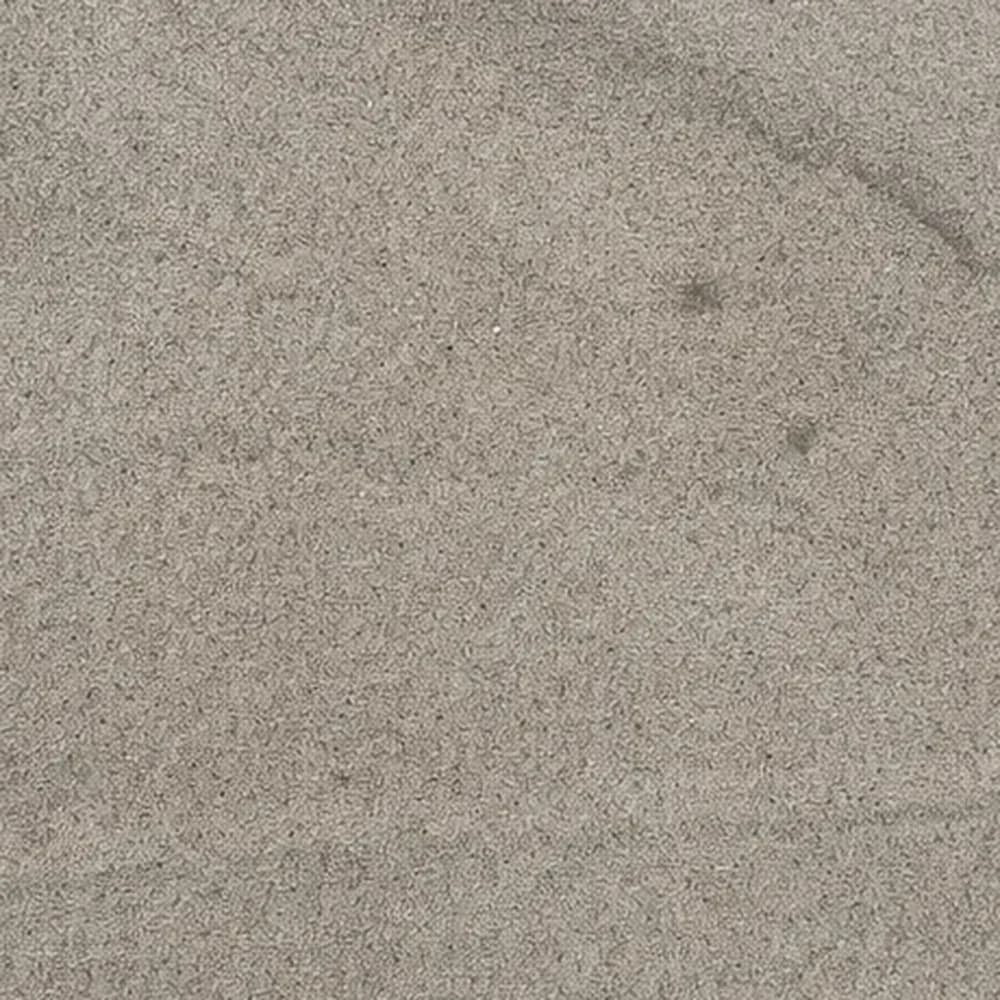
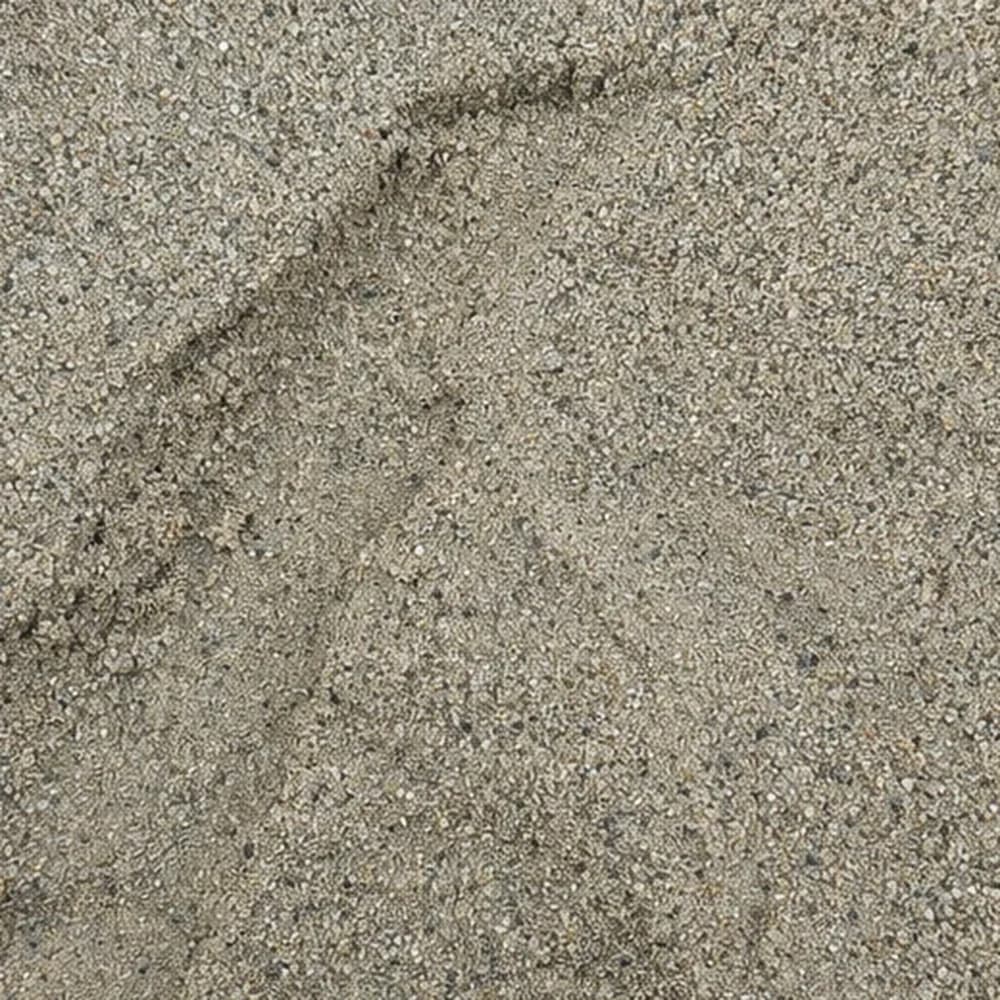
Both sands weigh the same per yard, so the choice is about grain, not about tonnage. Mason Sand is finer and more uniform, which is why it goes under pool liners, into mortar and into paver joints. Washed Sand has had the clay and silt rinsed out of it, which suits sandboxes, bedding and mixes. Neither of them is stone dust for a packed bedding layer, which is the New England default under flagstone and packs harder than either sand will.
One boundary worth drawing before you order: this page handles sand as a material. A paver build is a layered assembly, base course plus bedding plus joints, and the paver sand calculator sizes those separately. If the sand you are costing sits under pavers, start there instead, then come back here for the pool ring, the box and the leveling pass.
When the tonnage looks right, open the product page, set quantity and a delivery date, and check out. Delivery is arranged at checkout by ZIP code, and how a delivery is arranged covers what the truck needs wherever the load is going down. The other material tools are together if the same job has stone or loam in it.
Common questions
I have a tonnage. Which product page do I open?
Pool bases, mortar and joints go to Mason Sand. Sandboxes, bedding and concrete mixes go to Washed Sand. Both are ordered by the ton with a delivery date chosen on the product page.
Where does a two-ton drop of sand go on a house lot with one driveway?
Somewhere firm, clear overhead, and close to the job rather than close to the gate. Two tons of sand is a low, wide pile that creeps outwards as it is worked, so put a tarp down first and keep it off a lawn that is still soft from spring.
Why does the result show tons and cubic yards when I only need one number?
They answer different questions. Tons is the selling unit and the weight arriving. Cubic yards is the space the material occupies, which is what tells you whether the pile fits beside the pool or has to go on the apron.
Is the depth I type the loose depth or the finished depth?
For sand, type the finished screeded depth. Sand is placed and struck off rather than rolled, so it barely consolidates, which is why the 5% margin exists for spillage rather than for compaction.
The fire pit surround is a ring, not a square. How do I size that?
Use circle mode with the outside diameter, run it, then run the inner circle the pit itself occupies and subtract the second result from the first. For a tree ring, do the same with the trunk flare as the inner circle.
Related calculators
Two sands, one free truck.
Mason and washed sand by the ton, delivered free across Massachusetts.