Top Soil and Screened Loam for Massachusetts Yards
Massachusetts freeze-thaw weather can leave a landscape surface uneven. Top Soil helps finish prepared areas for turf, garden plots, and beds.
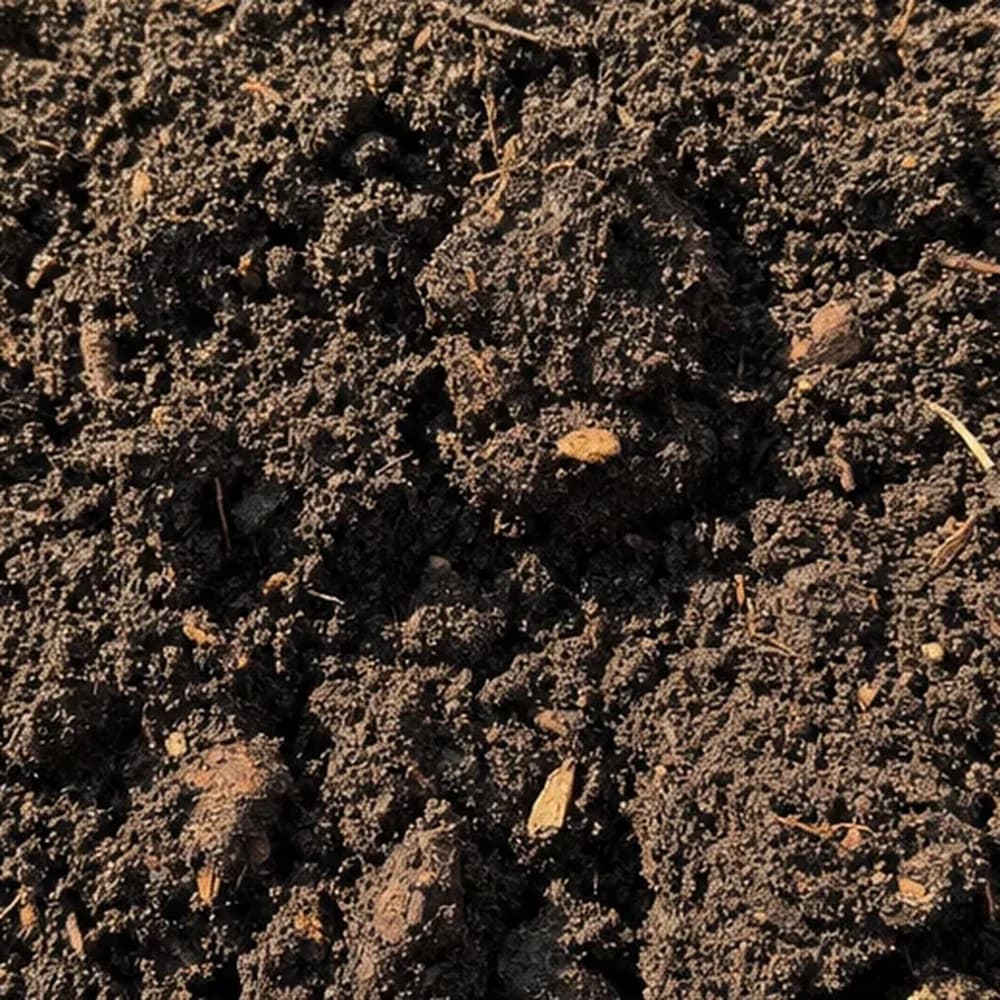
- Size: Screened; free of rocks, debris and large clumps
- Grading: Balanced sand, silt and clay
From $387 for 1 ton, delivery included (larger loads cost significantly less per ton)
Free delivery included
Free delivery anywhere in Massachusetts
Pick a delivery date
Weekday delivery, earliest Oct 30
“Had top soil delivered from Massachusetts Rock Supply and I'm really happy with how it turned out. Pricing was fair, and the free delivery made it an even better deal.”
Scott D. · Verified Buyer
Get a Free Quote
Fill out the form and our sales team will get back to you within the hour.
Size and Grading
- Size
- Screened; free of rocks, debris and large clumps
- Grading
- Balanced sand, silt and clay
The problem most top soil is bought to fix around here is two inches of loam spread over builder's fill. A house goes up, the yard gets skimmed with just enough soil to take a lawn on the day it is inspected, and three summers later the grass browns out in July while the neighbor's stays green. Underneath sits compacted subsoil, stony till or, in parts of the southeast and on Cape Cod, sand that holds nothing at all. Roots reach the boundary, stop, and the lawn lives on whatever rain fell that week.
Three other jobs make up most of the rest. The scar left where a construction entrance sat all summer and turned to compacted gravel and ruts. The strip alongside a new paver patio, where excavation spoil got pushed out and the grade now needs rebuilding to meet the stone. And the planted shoulders of a dry creek bed, where the stone channel is finished but the banks need something that will hold a plant.
The two-inch skim of loam that most lawns are fighting
Screened material is what you want for all four of those jobs. Screening pulls out rock, roots and clumps, which on stony glacial till is not a luxury. The result spreads with a rake, blends into what is under it and does not leave you picking fieldstone out of a seedbed.
Depth is the decision that matters. A repair patch is shallow. A lawn you expect to survive an August dry spell wants enough soil that roots have somewhere to go, and the honest version is that most disappointing lawns in this state were installed too thin rather than seeded wrong.
Top soil on stony till, on valley silt and on outwash sand
Where you are changes what the soil is being asked to do.
On the stony till across Greater Boston, MetroWest and the Worcester plateau, the layer underneath is often dense and slow to drain. Adding soil on top without breaking that boundary creates a perched layer: water sits in the new material and the roots stay shallow. Loosen the surface of the subsoil before spreading, and blend the first inch or two together.
In the Pioneer Valley, the old lake-bed silts are fine-textured and hold water well, sometimes too well on flat ground. Grade so water leaves before you think about soil depth.
On the deep outwash sand of Cape Cod, the Islands and around the Plymouth and Carver plains, drainage is never the issue. Retention is. Soil placed there is doing the job of holding water and nutrients long enough for a plant to use them, so depth and organic content matter more than they would inland.
Blending it into the till instead of laying it on top
Rough grade first, so the finished soil is a finish layer rather than a structural one. Loosen the top of whatever it is going over. Spread in one operation if you can, rake to the grade you want, and roll or water lightly to settle it before seed or sod goes down.
Keep water moving away from the house while you shape it. On dense till, a low spot two inches deep will hold standing water every spring, and no amount of good soil will grow turf in it.
Screened loam against garden soil and against fill dirt
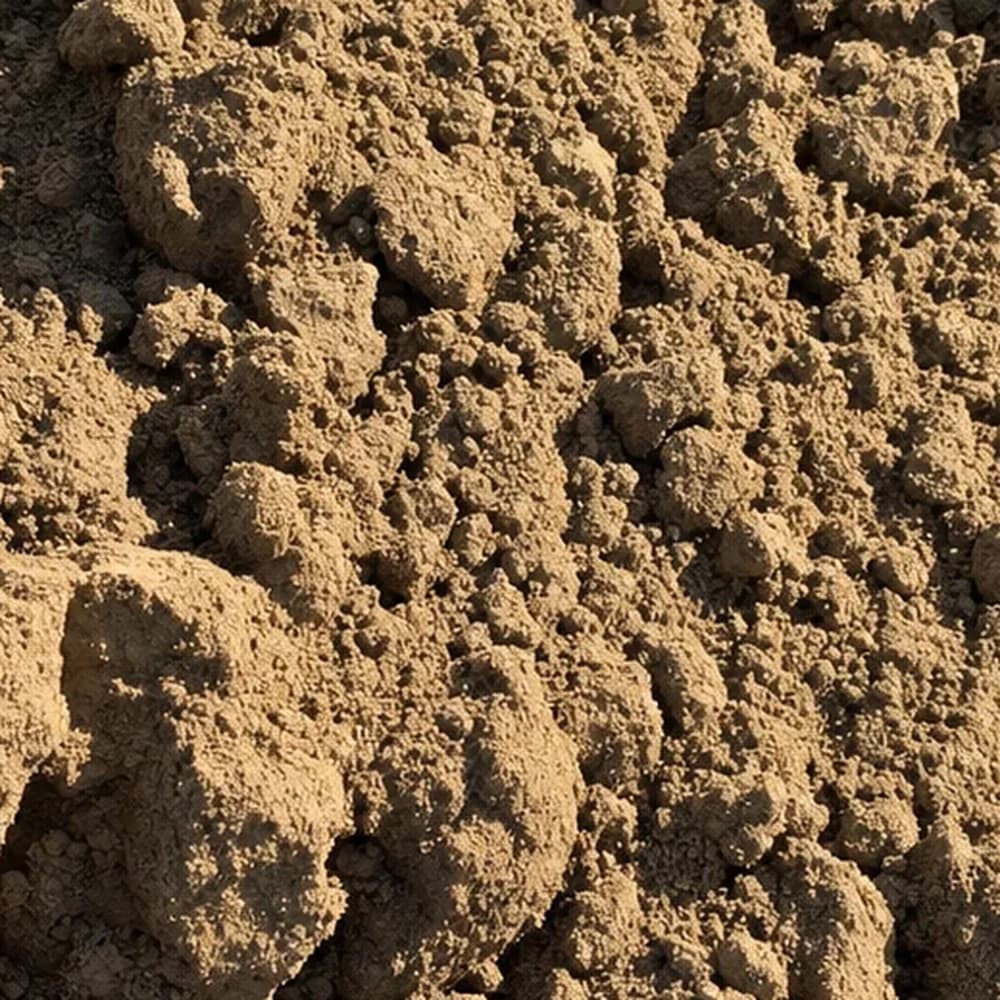
Garden Soil is the raised-bed and planting-area choice, richer and looser, sold for growing vegetables and perennials rather than for building a grade. Use it inside the beds and use loam around them.
Fill Dirt is the opposite end. It is what you use to raise a low area, backfill or build volume where nothing has to grow. It is cheaper by volume than screened material and it belongs underneath, with the growing layer over the top. Filling a foot-deep hollow with screened loam is money spread where roots will never reach.
Restoring a 40 by 12 construction scar, yard by yard
A worked example, hypothetical rather than a real job. A contractor's entrance ran 40 feet by 12 feet across a lawn all summer. The gravel has been pulled out and the ground underneath broken up. You want four inches of soil over it before seeding.
- Area: 40 x 12 = 480 square feet
- Depth in feet: 4 / 12 = 0.333 ft
- Volume: 480 x 0.333 = 160 cubic feet
- Cubic yards: 160 / 27 = 5.93
Call it six cubic yards, and with the five percent the topsoil calculator adds by default, 6.2. Go to six inches instead and it is 480 x 0.5 = 240 cubic feet, or 240 / 27 = 8.89 yards, near enough nine.
Coverage per yard is the quick check worth memorising. One cubic yard is 27 cubic feet, so it covers 27 / 0.1667 = roughly 162 square feet at two inches, 108 square feet at three inches and 81 square feet at four. Measure your area, divide, and you have your order before you open anything.
Screened material is sold by the ton, and this site publishes roughly 2,200 lb per cubic yard for screened topsoil, about 1.10 tons per yard, so 5.93 yards is 5.93 x 1.10 = 6.5 tons and the six inch version 8.89 x 1.10 = 9.8 tons, both approximate. Run your own final figure through the topsoil calculator to check it.
Spring and early autumn are the two windows that work in this state, and autumn is the better of the two: warm ground, cooler air and reliable rain. Pick a delivery date that lands a few days before you plan to seed, set your quantity on this page, and have the spot ready. Delivery is arranged at checkout by ZIP code, and the driver needs to reach a clear dump point, which on a tight lot usually means a tarp on the driveway rather than a pile on the lawn you are about to plant.
Quickly Calculate How Much You Need
Material: Top Soil
How to Measure
Measure the length and width of your project area in feet
Decide on depth in inches (2" for landscaping, 4" for driveways)
Enter the values above and we'll calculate the tonnage you need
Need help figuring out the right amount? We can help!
Call or text us at (508) 625-9266 and we'll help you calculate the right quantity for your project.
Not sure how much you need? The Topsoil Calculator has depth guides, coverage charts and worked examples for this material.
Frequently Asked Questions About Top Soil
Customer Reviews
Went with Massachusetts Rock Supply for top soil and I'm really happy, the driver was friendly and careful about where he placed it.
Tara H. · Boston, MA · Verified Buyer
Decided on top soil from these guys and the ordering was smooth from start to finish. Really happy with it and I'd definitely order again, easy 5 out of 5 recommend.
Steve L. · Quincy, MA · Verified Buyer
Had top soil delivered from Massachusetts Rock Supply and I'm really happy with how it turned out. Pricing was fair, and the free delivery made it an even better deal.
Scott D. · Boston, MA · Verified Buyer
Had top soil delivered by these guys and ordering was easy from start to finish. The delivery showed up right when expected and the top soil looked great, really happy with it.
Karen H. · Lowell, MA · Verified Buyer
Top Soil has 4 verified customer reviews with an average rating of 5 out of 5.