
Processed Gravel, Drainage Stone and Loam Delivered Across Massachusetts
Find your town: all 415 Massachusetts cities we deliver to
Browse them A to Z: Abington to Mashpee · Mattapan to Whitinsville · Whitman to Yarmouth Port.
Storm water drives every stone decision in Massachusetts. Coastal surge eats banks from the North Shore to Cape Cod, inland streams scour their beds in flash floods, and dense upland till holds snowmelt at the surface well into spring. So the load starts with the fix: processed gravel for the subbase, washed stone for the drainage layer, rip rap where the shore or a stream bank is losing ground. Massachusetts Rock Supply delivers all of it by the ton, with screened loam, stone dust and sand for the finish. Processed gravel is the state's standard base material, and the rest of the order builds around where the water goes.
Materials Delivered Across Massachusetts
Order coarsest to finest and the pile sorts itself: armor first, drainage next, base, then bedding, then soil. That order matches how most jobs build from the bottom up.
Processed gravel carries the load on most Massachusetts sites. Towns write it into road standards as the layer under streets and sidewalks. Dense graded crushed stone sits at M2.01.7 for sub-base work, and gravel borrow at M1.03.0. Town road standards call for those layers under streets and sidewalks. They are a useful guide to the kind of base that belongs under a driveway, walk or pad at home. Order processed gravel for driveways, parking pads, walks and shed bases. Order Crusher Run when you want a compacting stone and fines blend. Many suppliers here sell that blend under the name dense grade.
Drainage and finishing materials run alongside the base stone. Drain Rock and #57 Stone handle French drains, drywells and downspout runs. 3/8" Crushed Stone beds pipes and tops a compacted base. RipRap armors stream banks and coastal banks. Stone Dust is the New England default under flatwork. Pea Stone fills walkways, play areas and the gaps around stepping stones. Top Soil and Garden Soil finish lawns and raised beds, with Shredded Mulch to hold moisture through summer.
Ground and Climate Across Massachusetts
Soils change sharply across the state, and so does the working season. Cape Cod and the Islands sit on deep glacial outwash sand and gravel, with sandy moraine hills, thin till in places, and dunes and tidal marsh along the shore. That sand drains fast, but low coastal ground floods in storm tides. Southeastern Massachusetts lowlands run to sandy outwash plains, most extensive around Plymouth and Carver, with stony till on low hills and swamps, kettle ponds and peat bogs in the low ground. Greater Boston and eastern Massachusetts are stony glacial till and drumlin hills, much of it over dense, slowly draining lower till, with marine clay and filled land in low areas around Boston Harbor. Central Massachusetts uplands are stony till on rolling hills and drumlins, commonly over a dense, slowly permeable lower till, with many wetlands in low spots. The Connecticut River Valley holds silty and clayey old lake-bed soils from glacial Lake Hitchcock, sandy outwash terraces at the edges, and river-laid silt and sand on the floodplains. The Berkshires and western hilltowns are stony till, often shallow to bedrock with a firm, slowly permeable lower layer, plus limestone- and marble-derived till and river outwash in the Housatonic and Hoosic valleys.
State code sets one 48 inch frost depth statewide, but winters get colder and snowier moving inland and uphill, from the mild Cape and Islands to the Worcester hills and the Berkshires. The ground-work season runs longest on Cape Cod and the Islands and shortest in the Berkshires and hilltowns, where snow cover and frozen ground last well into spring. Dense upland till holds snowmelt near the surface, steep western hills feed fast-rising streams, and the Connecticut River floods its low valley floor. Erosion follows the same split: storm waves and surge along the coast, stream bank scour and flash flooding inland.
Base depth follows the ground, not a single rule. Fine-grained valley soils shed water slowly, so they want a thicker compacted base and better drainage than outwash sand. Dense lower till on the eastern and central uplands traps meltwater, so put drain rock where the water collects. On Cape Cod and the sandy southeast, don't treat the ground as till country. It is deep outwash sand, and it absorbs rain quickly.
Where We Deliver in Massachusetts
Massachusetts Rock Supply covers the whole state. Middlesex County, Worcester County, Essex County, Suffolk County, Norfolk County, Bristol County, Plymouth County, Hampden County, Barnstable County, Hampshire County, Berkshire County and Franklin County all sit inside the delivery area. That covers Greater Boston, the North Shore, the Merrimack Valley, MetroWest, the South Shore, the South Coast, Cape Cod, Martha's Vineyard and Nantucket Island, Central Massachusetts, the Pioneer Valley, the Hilltowns and the Berkshires.
Lead time depends on your location and the material. Order early in the season if your site is in the Berkshires or the hilltowns, where the ground stays frozen well into spring. Coastal sites on the Cape and the Islands can usually work earlier in the year.
How to Order and Size a Load
Order online and pick the material by the ton or by the cubic yard. Most stone and sand sell by the ton. Soil, mulch and fill often sell by the yard. A materials calculator on the site turns length, width and depth into a quantity, so you can size the load before you check out. Know your access before you order: a narrow driveway or a soft lawn changes where the truck can place the pile. Measure the area, set the depth, and match the material to the job.
Order Processed Gravel and Stone for Delivery in Massachusetts
Massachusetts Rock Supply delivers bulk gravel, sand, soil and drainage stone to every county in the state, from Greater Boston and MetroWest to Cape Cod, the Islands, the Pioneer Valley and the Berkshires. Pick your material, size the load, and place the order online. We bring it to your site, wherever the ground is.
Our Most Popular Products
Open a product to see your delivered price.
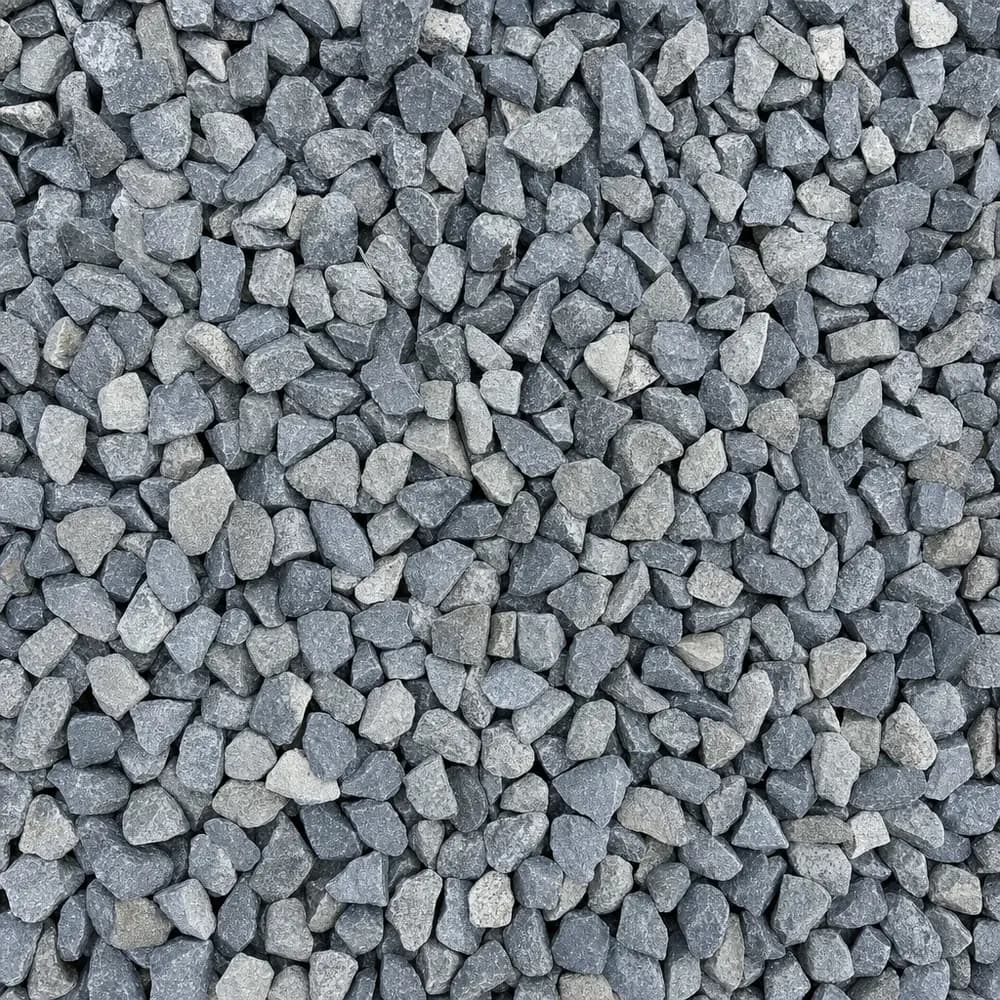
Driveway Gravel
From 1 Ton Delivered, FREE to your Doorstep
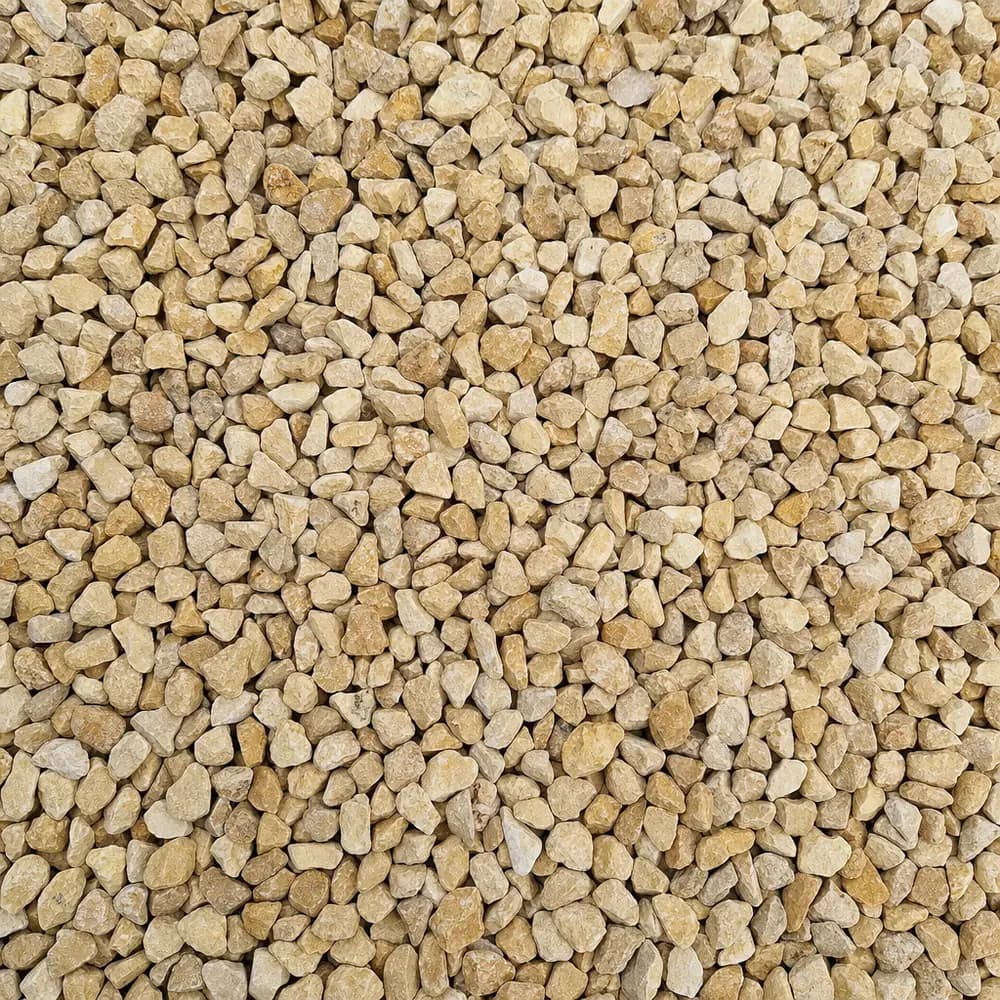
Walkway Gravel
From 1 Ton Delivered, FREE to your Doorstep
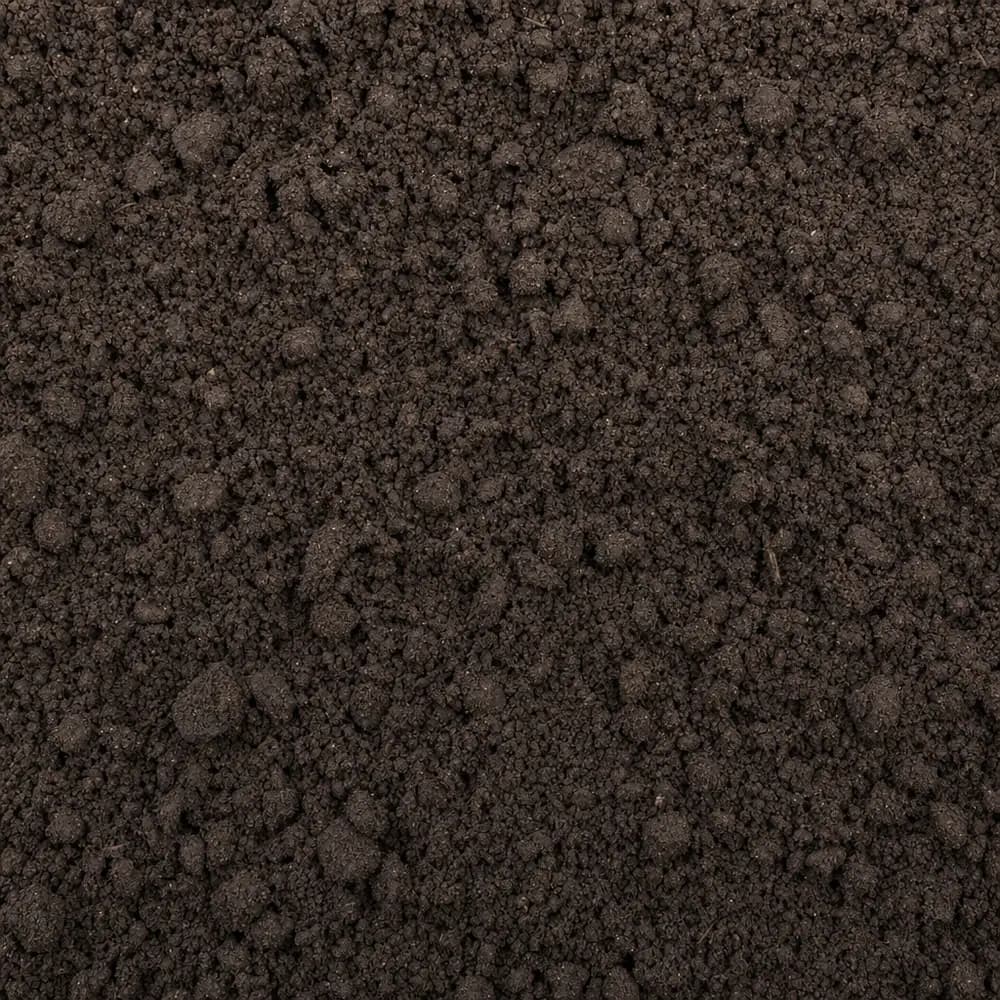
Top Soil
From 1 Ton Delivered, FREE to your Doorstep
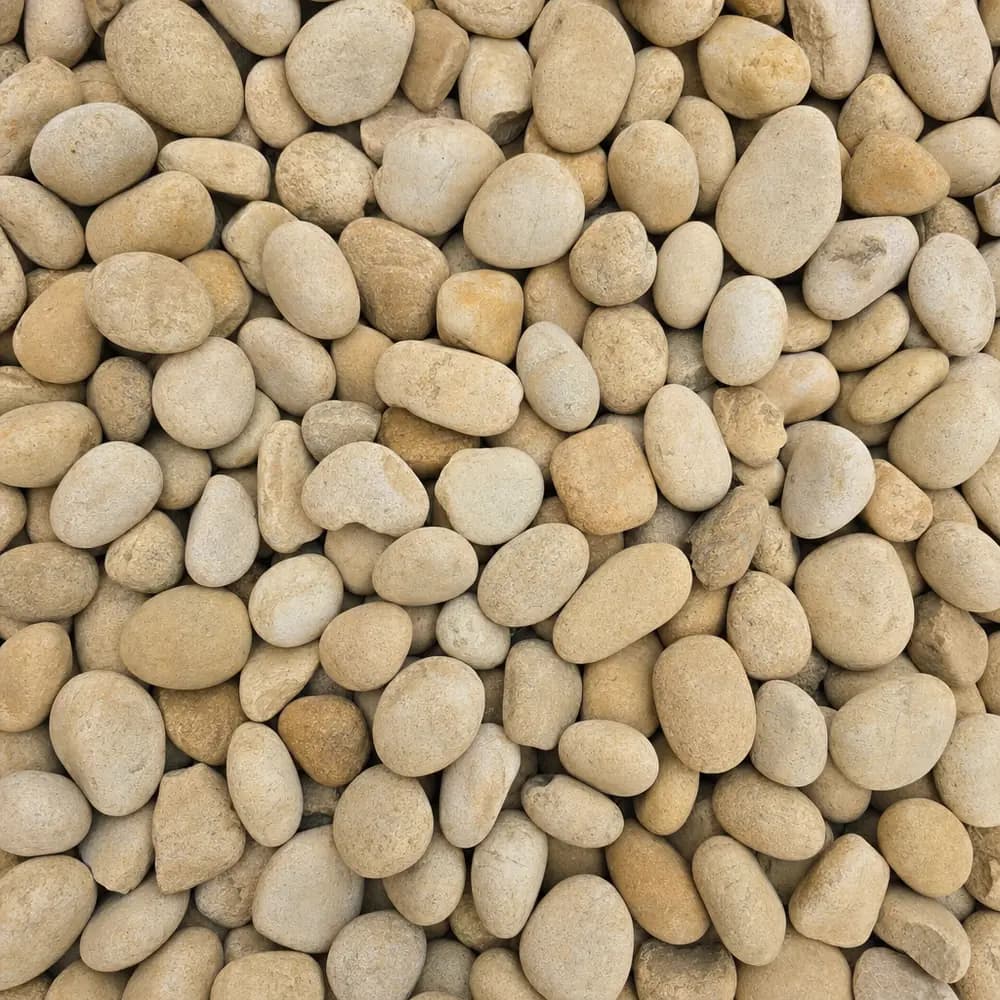
River Rock
From 1 Ton Delivered, FREE to your Doorstep
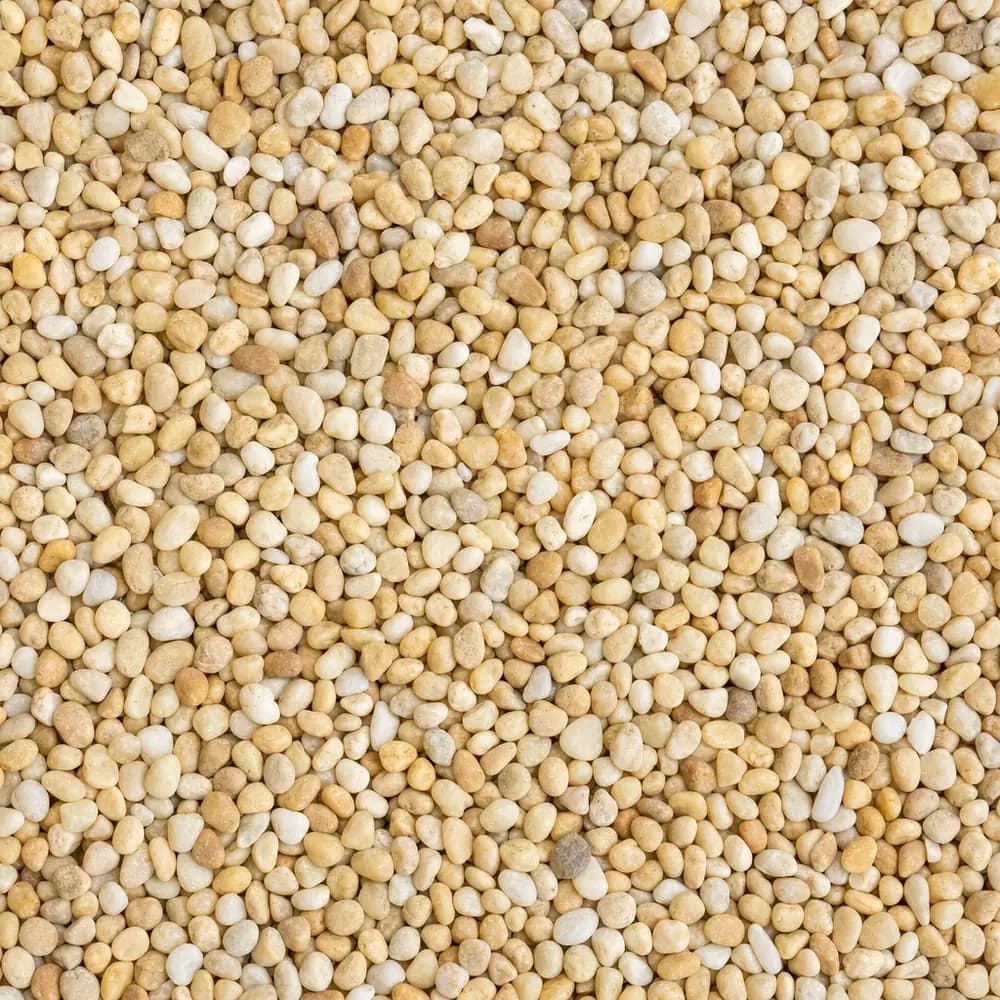
3/8" Natural Pea Gravel
From 1 Ton Delivered, FREE to your Doorstep
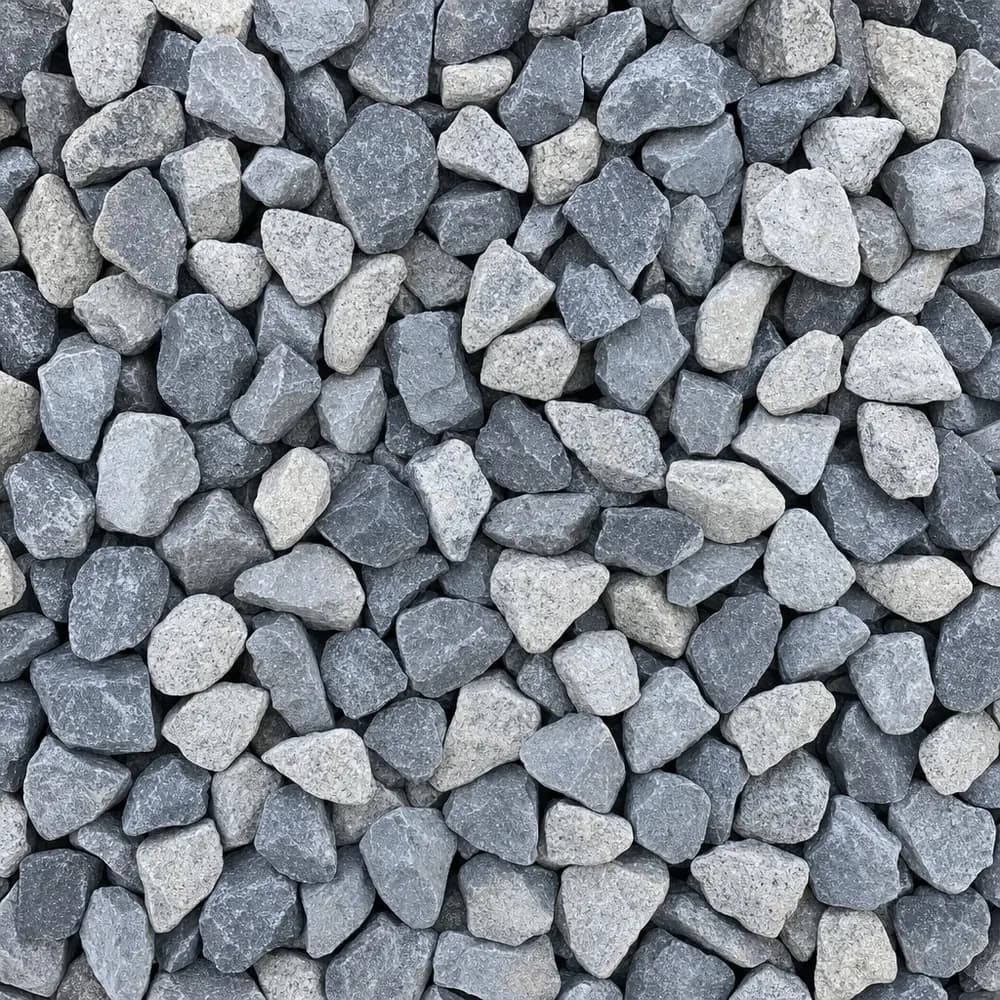
#57 Stone
From 1 Ton Delivered, FREE to your Doorstep
Frequently Asked Questions
Common questions about gravel and aggregate delivery in Massachusetts
What is processed gravel and what is it used for in Massachusetts?
Processed gravel is the state's standard base material, a blend of crushed stone and fines that compacts into a firm, stable layer. Order it for driveways, parking pads, walkways and shed bases, or as the layer under a concrete slab or paver patio.
How deep should a gravel driveway base be in Massachusetts?
Depth follows the ground under it and the loads on top. A single 48 inch frost depth applies statewide, and freeze-thaw is hard on shallow bases. Fine-grained valley soils and dense upland till drain slowly and need more depth and better drainage than outwash sand on the Cape and the sandy southeast. Match your base depth to the soil on your site, then use the calculator to size the load.
Is processed gravel the same as dense grade in Massachusetts?
Close, and the trade uses the names loosely. Processed gravel is the gravel and fines blend that goes under a driveway, walk or pad; dense grade is the crushed stone version of the same idea, and it is often sold under that name. Pick processed gravel when the job is a home driveway or shed base that will take a gravel top course. Pick crusher run, the catalogue name for the crushed stone blend, when the base sits under pavers or a slab and you want the sharper stone that locks tighter.
Counties We Serve in Massachusetts
Largest Cities We Serve in Massachusetts
Massachusetts Cities A to Z
415 cities and towns, listed alphabetically across 3 pages.