RipRap for Massachusetts Banks, Shorelines and Outlets
Use RipRap where Massachusetts runoff reaches bare ground along a bank, shoreline, drainage channel, or culvert outlet and erosion protection is needed.
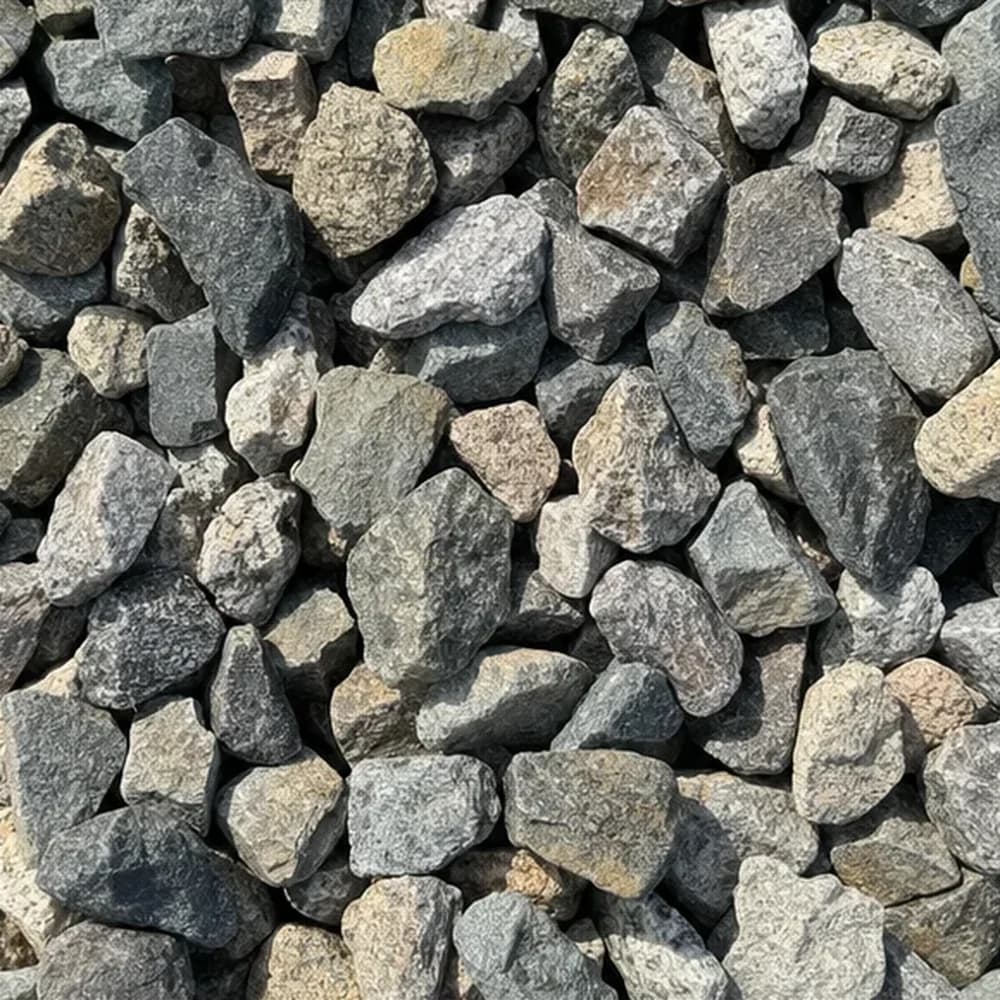
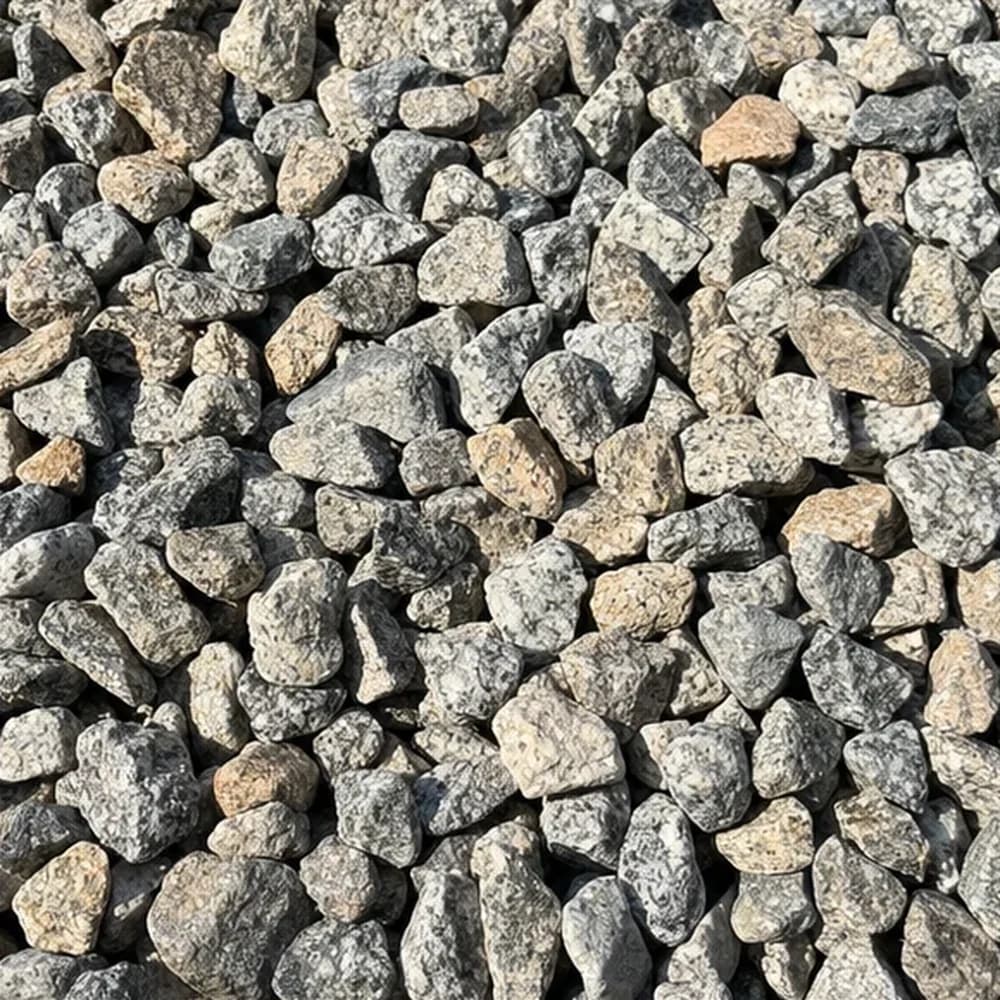
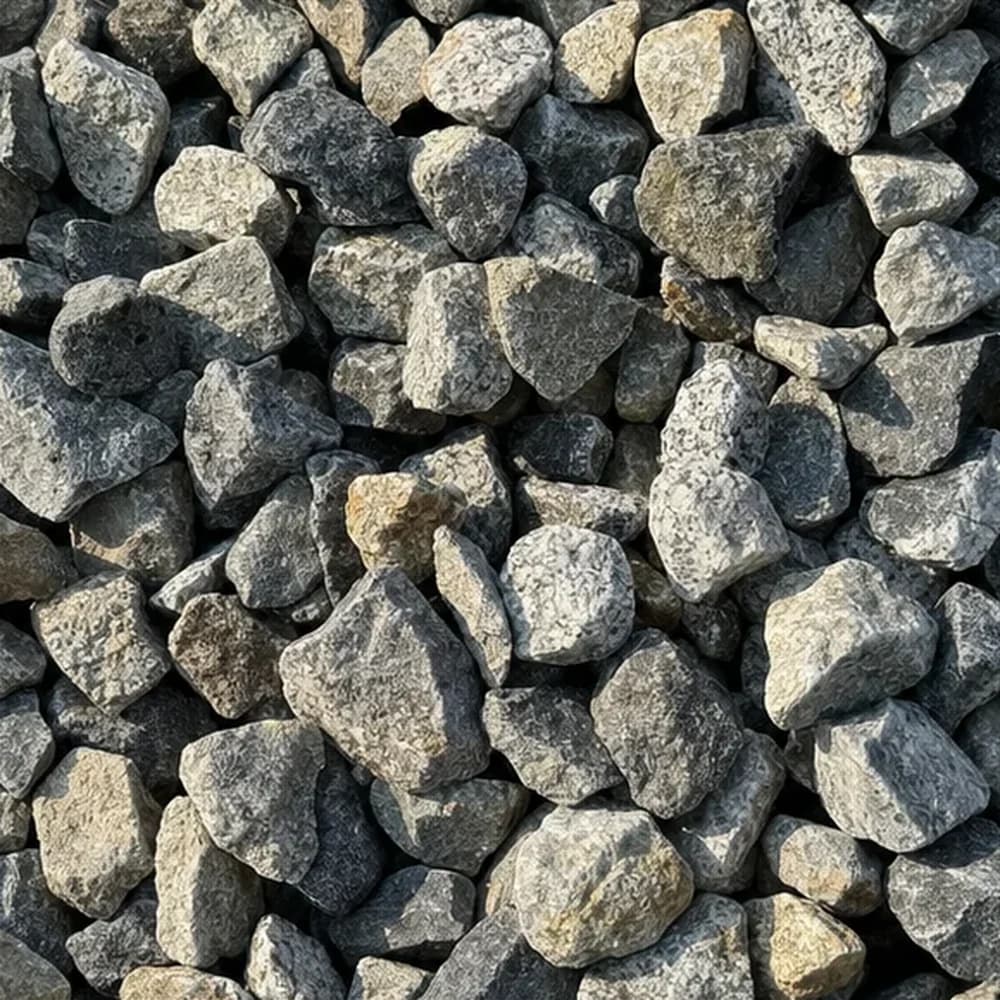
- Size: 4 inches to 12 inches and up
- Type: Large, heavy stone
From $432 for 1 ton, delivery included (larger loads cost significantly less per ton)
Free delivery included
Free delivery anywhere in Massachusetts
Pick a delivery date
Weekday delivery, earliest Oct 30
“Went with Massachusetts Rock Supply for riprap, and the driver was friendly, careful about placement, and got it right where I needed it.”
Hank R. · Verified Buyer
Get a Free Quote
Fill out the form and our sales team will get back to you within the hour.
Size and Grading
- Size
- 4 inches to 12 inches and up
- Type
- Large, heavy stone
The mistake riprap is bought to correct is a bank already covered in stone that was too light to stay there. Somebody tipped a few yards of crushed stone down a slope after a wet spring, it looked right for a season, and then the next thaw or the next nor'easter moved it to the bottom and the bare soil underneath started going again. Weight is the variable that decides whether armor stays put, and in this state the water that tests it comes from three directions: storm surge on an eroding coastline, fast hill streams after heavy rain, and snowmelt running off dense till that will not absorb it.
Why did the stone I already put on that bank move?
Because moving water lifts anything it can. A piece of stone resists being rolled through its own weight and through the way it keys against its neighbors. Drop the size and you drop both at once, which is why a washed drainage stone does fine in a trench and disappears on a bank.
This material runs four inches to twelve inches and up, and that top end matters more than the bottom. The pieces sit against each other, interlock, and stay where they land.
What size does a South Shore bank need compared with a hill stream?
The honest answer is that it depends on the force arriving, and nobody can size that from a product page. A sheltered garden bank taking runoff from a downspout is a different problem from an exposed shoreline in Buzzards Bay or a stream in the Berkshires that rose four feet in an afternoon.
What can be said generally: heavier water wants heavier stone, and a mixed range of sizes keys together better than a single uniform size, because the smaller pieces fill between the larger ones. Work along a stream, a pond or a shoreline often needs local approval before anything is placed, so make that call before you order rather than after the stone is on site.
Can riprap armor the slope below my turnaround?
This one comes up constantly on hillside lots, and the answer splits in two.
The pad itself is not a riprap job. A turnaround or parking pad carries wheels, so it wants a compacted base of Processed Gravel with a finished surface over it. Large stone under tires is unusable.
The fill slope below the pad is exactly a riprap job. Where a turnaround has been cut and filled on a slope, the downhill face is loose material with nothing holding it, and the first heavy rain starts carrying it away. Armoring that face is what stops the pad quietly losing its own edge over a few winters.
Will it work in the French drain along my foundation?
No, and the reason is scale. A French drain works because water moves through the voids around a perforated pipe and because soil is kept out of them. Stone this size leaves voids far too large, will not sit neatly around a pipe, and cannot be placed in a narrow trench without damaging what is in it. #57 Stone or Drain Rock is the material for that trench.
Where the two jobs meet is at the outlet. The pipe end, where water leaves the system and hits open ground, is where scour starts, and a small apron of heavy stone there is well worth the half yard it costs.
Can I dump it in a low spot and regrade over it?
Filling a hollow with large stone and covering it with soil looks efficient and rarely ends well. Voids between big pieces stay open, soil washes into them over the following year, and the surface above settles in dips. Anywhere that has to be walked on, mown or planted should be raised with Fill Dirt and finished with Top Soil.
The exception is a low spot that is low because water runs through it. If a channel has formed and is cutting deeper each spring, lining it is armor work, not fill work, and that is a legitimate use.
How much do I need for a 30-foot bank below the parking pad?
A worked example, hypothetical rather than a real project. Take a fill slope 30 feet along and 12 feet down the face, to be armored with stone running up to twelve inches. For the example, assume a layer thick enough to sit about two stones deep, which puts it near 18 inches. On a real bank an engineer or the local authority may set that thickness for you.
- Face area: 30 x 12 = 360 square feet
- Depth in feet: 18 / 12 = 1.5 ft
- Volume: 360 x 1.5 = 540 cubic feet
- Cubic yards: 540 / 27 = 20
Twenty cubic yards, and with the five percent the rip rap calculator adds by default, 21. That is a substantial order, which is why measuring the face rather than the footprint matters: a slope is always longer than the ground it covers, and using the flat measurement undercounts.
This site publishes roughly 3,100 lb per cubic yard for riprap and armor stone, about 1.55 tons per yard, so twenty yards is 20 x 1.55 = 31 tons, and 21 yards with the five percent is close to 32.5 tons. Both are approximate figures, so check them in the rip rap calculator before you order.
What does a wooded or sloping lot need ready before the truck arrives?
Large stone is placed, not spread, so plan for the machine before you plan the delivery. Decide where the pile can go within reach of whatever will move it, and keep that route clear. Have the filter layer or fabric down first, because once the stone is on the bank nothing is going underneath it.
Set your quantity and delivery date on this page. Delivery is worked out at checkout from your ZIP code, and the driver needs a clear dump spot he can reach and tip on, which on a wooded or sloping lot is worth walking before you book.
Quickly Calculate How Much You Need
Material: RipRap
How to Measure
Measure the length and width of your project area in feet
Decide on depth in inches (2" for landscaping, 4" for driveways)
Enter the values above and we'll calculate the tonnage you need
Need help figuring out the right amount? We can help!
Call or text us at (508) 625-9266 and we'll help you calculate the right quantity for your project.
Not sure how much you need? The Rip Rap Calculator has depth guides, coverage charts and worked examples for this material.
Frequently Asked Questions About RipRap
Customer Reviews
Decided on riprap from them and I'm really happy with how it turned out. Price was fair, delivery was easy, and I'd order from them again.
Megan I. · Cambridge, MA · Verified Buyer
Got riprap from this company and it was delivered right when they said it would be. Really happy with it and I'd definitely order again, would recommend.
Jason V. · Lowell, MA · Verified Buyer
Needed riprap for a drainage project and these guys made the whole thing easy. Delivery was on time, the riprap looked great, and I'd definitely order again and recommend them.
Nate A. · Quincy, MA · Verified Buyer
Needed riprap for a drainage area, and this company made it super easy. Delivery arrived right on schedule, and the free delivery was a nice bonus.
Ashley R. · Worcester, MA · Verified Buyer
Went with Massachusetts Rock Supply for riprap, and the driver was friendly, careful about placement, and got it right where I needed it.
Hank R. · Lowell, MA · Verified Buyer
RipRap has 5 verified customer reviews with an average rating of 5 out of 5.