3/4" Crushed Stone for Massachusetts Base, Drainage and Wall Backfill
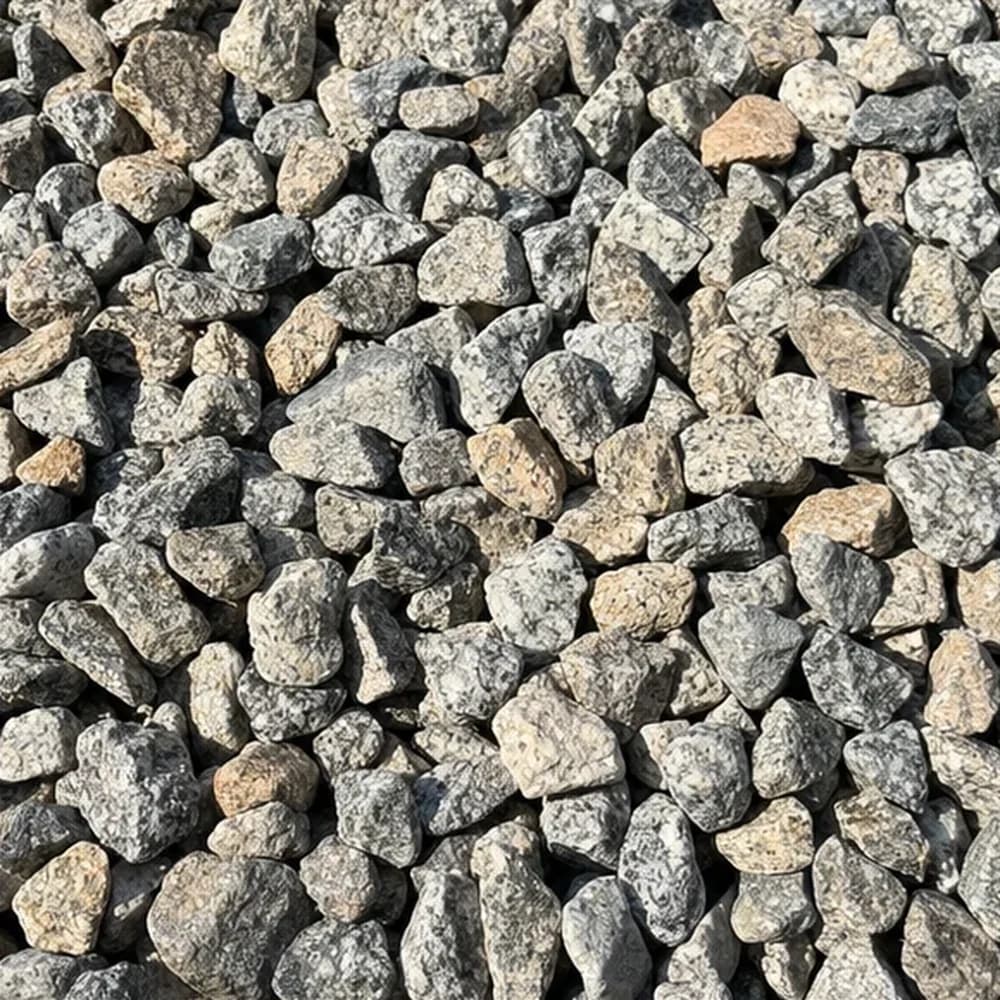
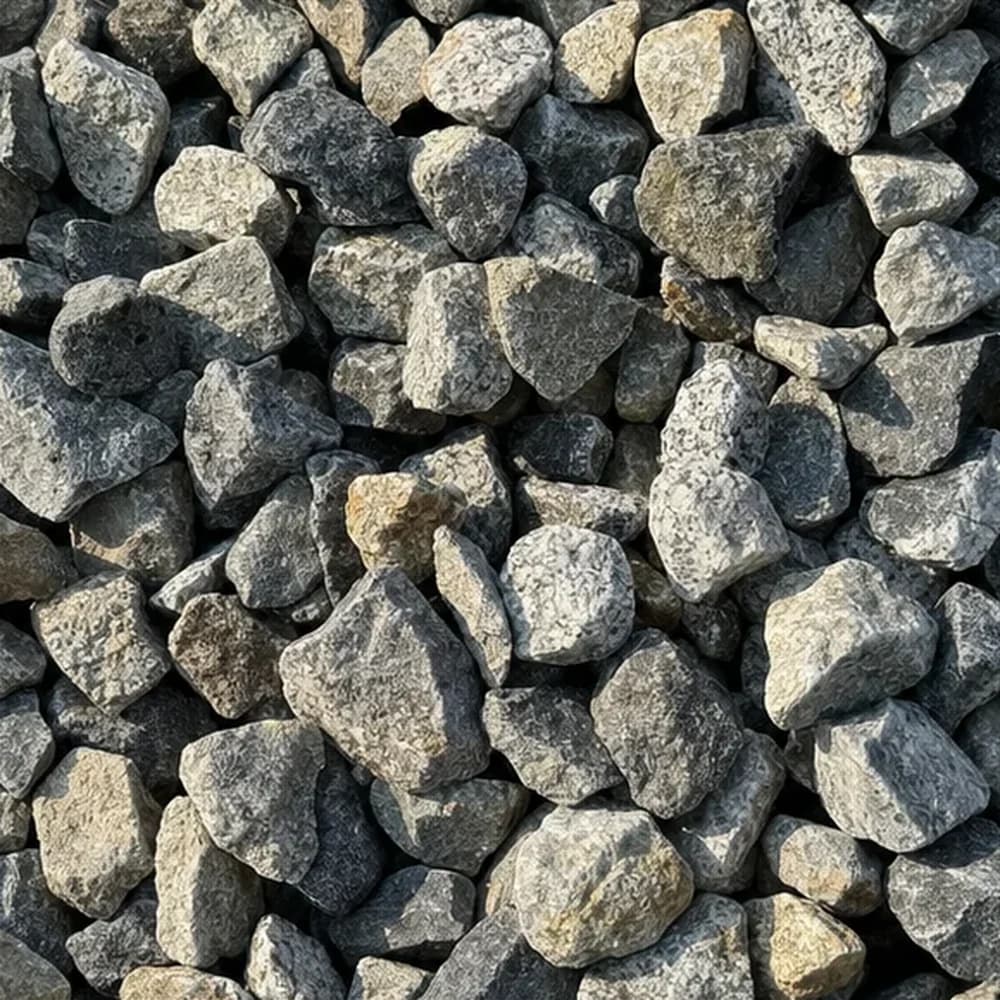
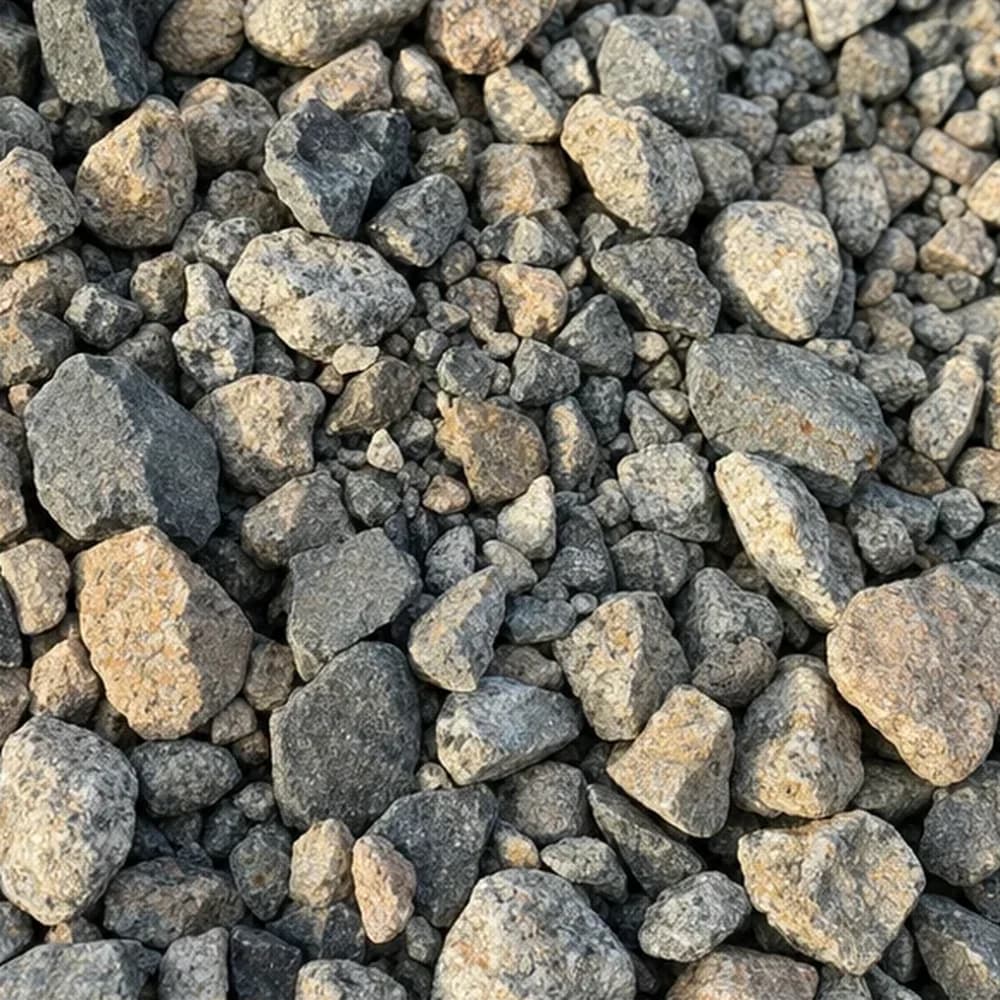
Massachusetts ground often meets ledge close to grade. 3/4" Crushed Stone provides angular material for compacted driveway, foundation, and drainage layers.
- Size: Approximately 3/4 inch
- Type: Angular crushed stone
From $404 for 1 ton, delivery included (larger loads cost significantly less per ton)
Free delivery included
Free delivery anywhere in Massachusetts
Pick a delivery date
Weekday delivery, earliest Oct 30
“Needed 3/4" Crushed Stone for a driveway project and the team made it easy. Delivery showed up when expected, and the pricing felt fair for what I got. Really happy with the whole thing and would order again.”
Sandra G. · Verified Buyer
Get a Free Quote
Fill out the form and our sales team will get back to you within the hour.
Size and Grading
- Size
- Approximately 3/4 inch
- Type
- Angular crushed stone
Most buyers land here having already narrowed it to three loads: a compacting blend, a clean stone, or something in between. 3/4" crushed stone is the clean angular one, approximately three quarters of an inch, with the spaces between the pieces left open. On ground that holds snowmelt near the surface for weeks, those open spaces are the reason it gets specified under footings, behind walls and into every soft spot that keeps reappearing.
Three loads a Massachusetts base job gets quoted for, and how they differ
Set side by side, the decision takes about a minute.
| Load | What is in it | What it does |
|---|---|---|
| 3/4" Crushed Stone (this page) | Angular pieces, roughly 3/4 inch, no fines | Keys together, stays open, carries water |
| #57 Stone | Washed, 3/16 inch to 1 inch | Near enough interchangeable for drainage work |
| Processed Gravel | Graded stone with fines through it | Packs into a firm, closed layer that carries load |
The split that matters is the bottom row. Processed gravel, the MassDOT M1.03.1 material town standards call for under streets and sidewalks, binds and closes. This one never does. Pick the closed layer when something has to be driven on and the open one when something has to drain.
The soft spot under a Massachusetts drive that keeps coming back
The classic call is a patch of driveway or lane that goes soft every spring, gets filled, and is soft again the following March.
The cause is almost never the surface. Dense lower till under most of the state holds water a foot down, the subgrade saturates during the thaw, and whatever is laid over it gets pumped full of fines and loses its strength. Adding more surface material buys one season.
The repair is to dig the soft area out, line it, and rebuild with a layer that water can leave through. Clean angular stone does that: water drains down and sideways instead of sitting under the wheel track, and the pieces wedge hard enough to spread the load while it does.
Angular, washed and 3/4 inch: what that does on dense till
Three behaviors follow from the grading.
It keys. Angular faces lock against each other, so a placed layer resists shoving sideways under a wheel far better than any rounded stone of the same size.
It drains. With no fines, water passes straight through, which is why the same product turns up behind retaining walls, under footings and around French drain pipe.
It stays vulnerable to contamination. Fines from the soil around it will migrate in. On till and on the marine clays near the coast, the difference between a layer that still works in ten years and one that does not is a sheet of geotextile.
Trench, fabric, stone, cover: backfilling a wall and rebuilding a wet lane stretch
For a wall, the drainage zone goes directly behind the face. Fabric against the soil, pipe at the bottom with an outlet that daylights, stone up the back of the wall, and fabric folded over the top before soil goes back. The point is to stop water standing against the wall through a freeze.
For a lane repair, dig to firm ground, lay fabric across the bottom and up the sides, place the stone in lifts, and plate each lift. Finish with a surface course over it, because clean stone is not a driving surface.
Under a footing or a slab, the layer goes on a sound subgrade, compacted before anything is poured over it.
A boat pad and a garden path both want something over the top
Two jobs to handle carefully.
An RV or boat parking pad works with this stone in the build, not on the face of it. The drainage and load-spreading layer underneath is where it belongs; the surface that a trailer jack and a turning wheel sit on wants a compacting blend and then Driveway Gravel on top. Leave clean stone exposed on a pad and it gets pushed into ridges within a season.
A garden path is worse. Three quarter inch angular stone is genuinely unpleasant to walk on, rolls underfoot, and catches in shoe treads. Paths want Stone Dust, which packs tight, or Walkway Gravel for a finer loose surface.
A long rural lane belongs in the same group. The surface course on a lane has to knit, and clean stone cannot. Use it in the repairs beneath, and keep processed gravel and a surface layer above it.
What a compactor actually achieves on stone with no fines
Not what most people assume. Running a plate over a clean 3/4 inch layer seats the pieces against each other and settles the lift. It does not produce a hard crust, because there is nothing fine in the mix to fill the voids and bind.
That is deliberate. The voids are the product. A layer that compacted to a solid mass would stop draining, and the wall, footing or trench it was placed in would be back to holding water.
So compact in lifts of a few inches to seat it, and judge the result by whether the layer stops moving underfoot rather than by whether it feels like pavement.
A 12 by 35 boat pad base and a 60-foot lane repair, in tons
Two hypothetical examples, using the 4 inch driveway depth from the measuring guide on this site as the starting point.
A 12 foot by 35 foot boat pad drainage layer at 4 inches:
- Area: 12 x 35 = 420 square feet
- Depth: 4 / 12 = 0.333 ft
- Volume: 420 x 0.333 = 140 cubic feet
- Cubic yards: 140 / 27 = 5.19
At roughly 2,800 lb per cubic yard, this site's approximate published figure for 3/4 inch crushed stone, that is about 7.26 tons. With the five percent the stone calculator adds by default, 5.45 cubic yards or about 7.6 tons.
A 60 foot soft stretch of lane, dug out 2 feet wide and backfilled 12 inches deep:
- Area: 60 x 2 = 120 square feet
- Depth: 12 / 12 = 1.0 ft
- Volume: 120 x 1.0 = 120 cubic feet
- Cubic yards: 120 / 27 = 4.44, about 6.22 tons
Both figures are stone only, with the surface course on top ordered separately. Check them in the stone calculator before a date goes on the load.
Putting the load where a tight driveway can take it
Seven tons is a substantial pile on a town lot. Decide where it lands before booking: somewhere the driver can reach and tip, clear of cars, and close enough to the work that a wheelbarrow route is short.
Delivery is arranged at checkout by ZIP code, and the truck needs clear access to the dump spot. Pick a quantity and a date on this page, or use the contact page if the trench is already open and the timing matters.
Quickly Calculate How Much You Need
Material: 3/4" Crushed Stone
How to Measure
Measure the length and width of your project area in feet
Decide on depth in inches (2" for landscaping, 4" for driveways)
Enter the values above and we'll calculate the tonnage you need
Need help figuring out the right amount? We can help!
Call or text us at (508) 625-9266 and we'll help you calculate the right quantity for your project.
Not sure how much you need? The Stone Calculator has depth guides, coverage charts and worked examples for this material.
Frequently Asked Questions About 3/4" Crushed Stone
Customer Reviews
Needed 3/4" Crushed Stone for a walkway project and the team made it super easy. Delivery was on time and the material was exactly what I needed. I'd definitely order again and recommend them.
Dana S. · Quincy, MA · Verified Buyer
Needed 3/4" Crushed Stone for a driveway project and the team made it easy. Delivery showed up when expected, and the pricing felt fair for what I got. Really happy with the whole thing and would order again.
Sandra G. · Quincy, MA · Verified Buyer
Ordering 3/4" Crushed Stone was simple, and the team got it to me with free delivery. Really happy with how easy the whole thing was.
Chris L. · Cambridge, MA · Verified Buyer
Needed 3/4" Crushed Stone and ordering from them was easy. Delivery showed up when expected and the material was exactly what I needed.
Diane H. · Lowell, MA · Verified Buyer
3/4" Crushed Stone has 4 verified customer reviews with an average rating of 5 out of 5.