#67 Stone for Concrete and Drainage in Massachusetts
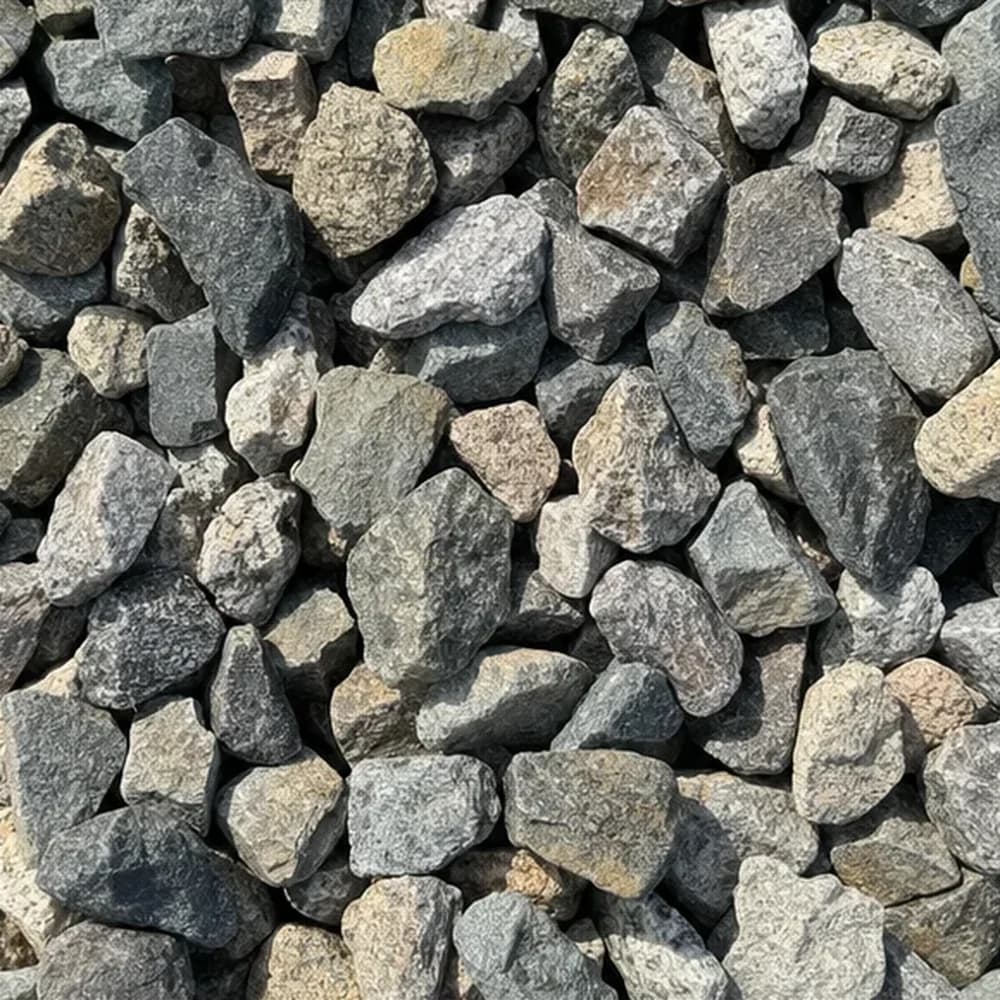
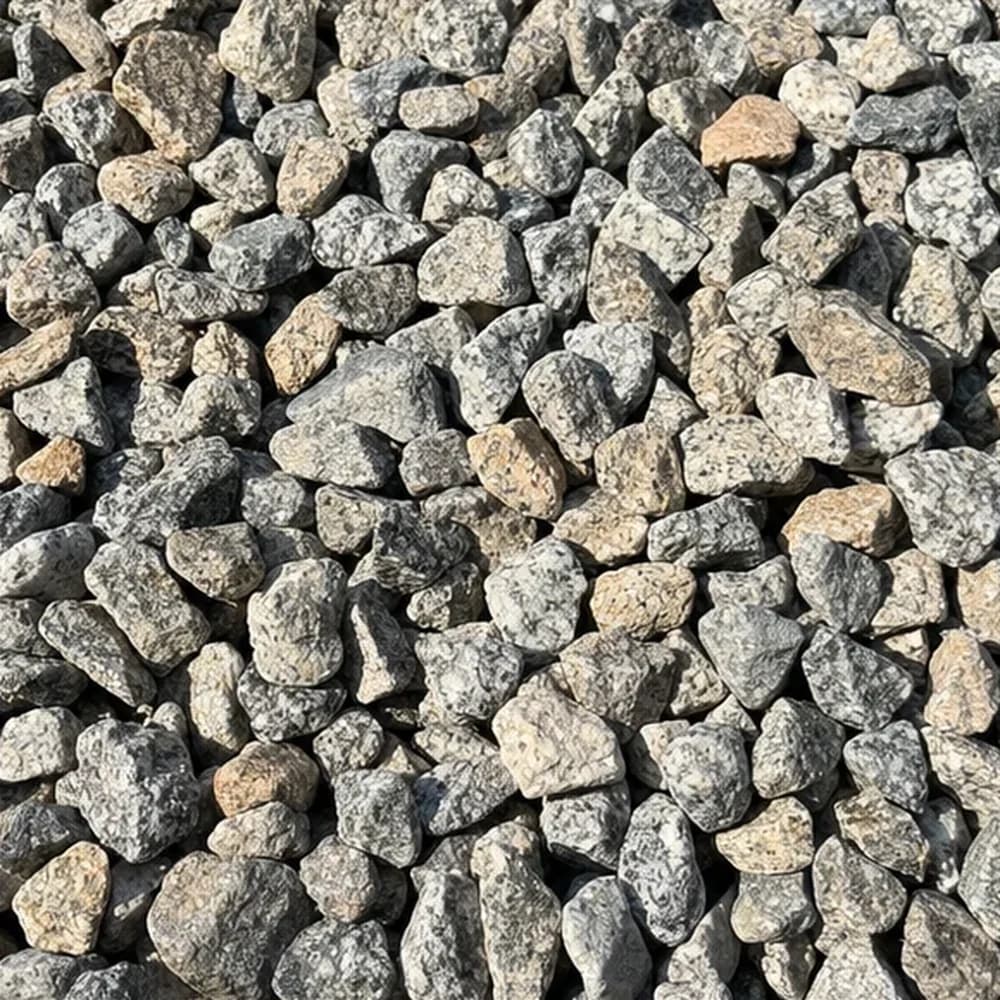
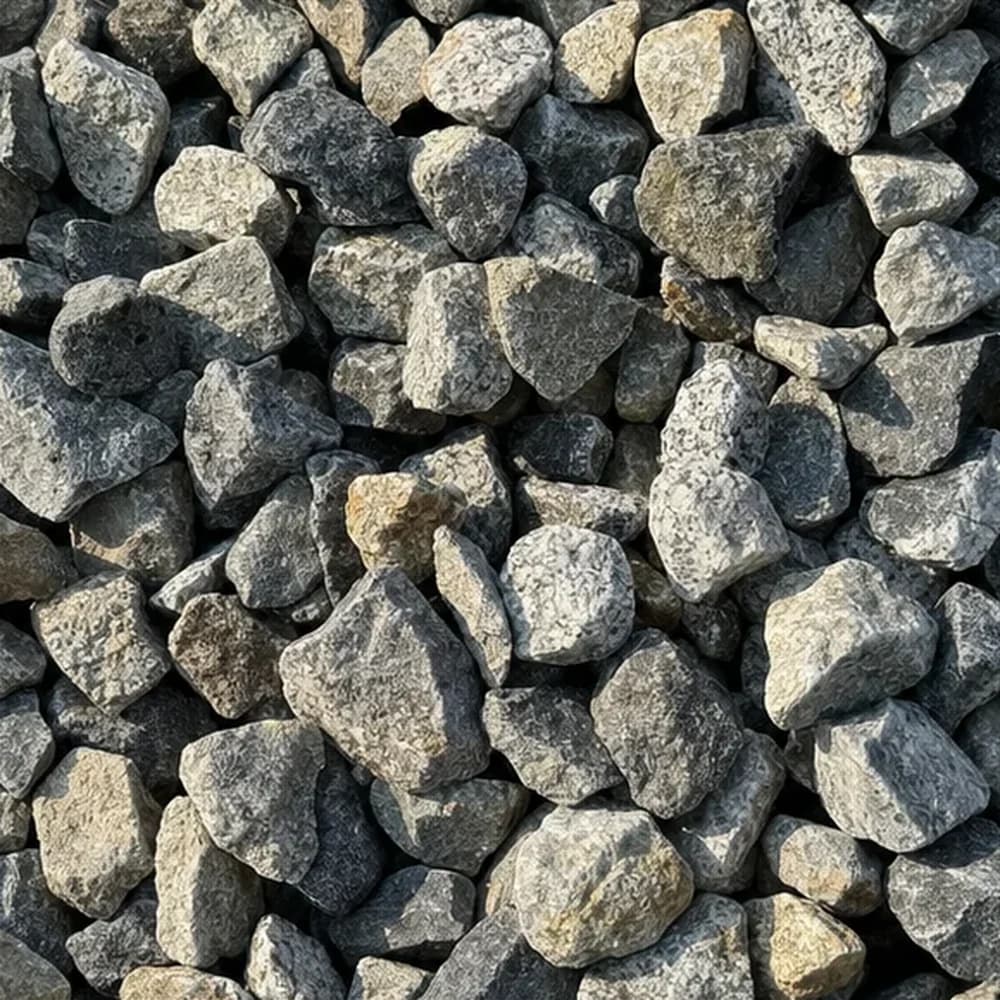
In Massachusetts, #67 Stone settles into a uniform crushed finish for paths while serving drainage layouts and concrete placement.
- Size: 1/4 inch to 3/4 inch
- Grading: #67
- Type: Angular crushed stone
From $458 for 1 ton, delivery included (larger loads cost significantly less per ton)
Free delivery included
Free delivery anywhere in Massachusetts
Pick a delivery date
Weekday delivery, earliest Oct 30
“I had a great experience with Massachusetts Rock Supply. The #67 stone was consistent and easy to use. I am happy with the result and would recommend them.”
Angela C. · Verified Buyer
Get a Free Quote
Fill out the form and our sales team will get back to you within the hour.
Size and Grading
- Size
- 1/4 inch to 3/4 inch
- Grading
- #67
- Type
- Angular crushed stone
The compaction season closes before the calendar year does. Once the ground is frozen, base work stops, and a lot of half-finished projects sit until April because the blend they needed had to be packed and the ground would not take it. Clean washed stone is the exception. It is placed rather than compacted, it does not hold water to freeze, and that makes #67 stone one of the few loads that still makes sense in the narrow window between the first hard frosts and real winter, or in a wet April when nothing else can be rolled.
That timing argument is worth understanding before the spec, because it decides whether a job happens this year or next.
A quarter inch to three quarters, washed, with nothing in it to bind
The size range runs from about a quarter inch up to three quarter inch, crushed and angular rather than rounded, with the fines washed out. Tip a bucket and it rattles down and finds its own level. Nothing sticks to the shovel and nothing puffs off the pile.
With no fines, there is permanent open space between the pieces. Water moves through that space under gravity instead of soaking in, and because there is no dust to migrate, the layer does not silt itself up over time. What does silt it up is soil arriving from the sides, which is why clean stone in the ground normally gets wrapped.
#67 stone around a fire ring, under a pole barn pad, on a single-car drive
| Job | Typical depth | Honest verdict |
|---|---|---|
| Fire pit surround | 3 in over prepared ground | Works well, drains, stays clean |
| Pole barn or equipment pad | 4 in or more, confined | Good drainage layer; wants a surface course over it |
| Single-car gravel drive | 3 in | Drains, but stays loose and moves under turning tires |
The fire pit case is the easiest. Stone this size around a pit stays dry, sheds ash and rain, and needs no maintenance beyond an occasional rake. Keep any edging high enough to hold the stone in.
The barn or equipment pad case works as long as you know what you are getting. It lets water out from under the pad and holds shape under load, but it will never pack into a smooth floor. Where a firm, flat working surface is wanted on top, that is Stone Dust or a compacting blend over this layer.
The single-car drive case has the same caveat. Clean stone will not lock up into a driving surface, so tires push it into ridges and it needs raking back. For a drive that stays put, put a compacted layer of Processed Gravel underneath and finish with Driveway Gravel rather than leaving washed stone on top.
What a hilltown winter does to a layer that cannot heave
Frost heave needs water held in fine material. Take the fines out and most of that mechanism goes away, which is why clean stone is the usual pick where 48 inches of design frost depth and a long freeze-thaw season are the conditions to build for. In the Berkshires and western hilltowns, where snow cover lasts into spring and the ground stays frozen longest, that behavior is the difference between a pad that is usable in March and one that is a soft mess.
Two Massachusetts-specific cautions. First, on the dense lower till that lies under most of the hills, water moving down through clean stone will arrive at a layer it cannot pass, so the stone needs somewhere to send it or it becomes a bathtub. Second, on any soft subgrade, put geotextile between soil and stone, because till pumps up into the voids under load and fills the drainage you paid for.
A 12-foot fire ring and a 20 by 40 pad, counted in tons
Hypothetical examples, worked through step by step. This site publishes roughly 2,800 lb per cubic yard for #57, #67 and three quarter inch crushed stone, about 1.40 tons per cubic yard, and that approximate figure converts these.
A 12 foot circle around a fire pit at 3 inches:
- Radius: 12 / 2 = 6 ft
- Area: 3.14 x 6 x 6 = 113 square feet
- Depth: 3 / 12 = 0.25 ft
- Volume: 113 x 0.25 = 28.3 cubic feet
- Cubic yards: 28.3 / 27 = 1.05
- Tons: 1.05 x 1.40 = 1.5
A 20 foot by 40 foot pole barn pad at 4 inches:
- Area: 20 x 40 = 800 square feet
- Depth: 4 / 12 = 0.333 ft
- Volume: 800 x 0.333 = 266.7 cubic feet
- Cubic yards: 266.7 / 27 = 9.88
- Tons: 9.88 x 1.40 = 13.8
With the five percent the stone calculator adds by default, that pad comes to about 14.5 tons. A 9 by 60 foot drive at 3 inches works out neatly: 540 square feet, 135 cubic feet, exactly 5 cubic yards, or 7 tons. For anything with a bend or a taper in it, the stone calculator takes up to five areas at once.
Getting a late-season load onto a western Massachusetts site
Because this is a material you can place when you cannot compact, the constraint late in the year is access rather than the ground. A steep drive with snow on it, a soft shoulder after a thaw, or a yard the truck cannot turn in will stop a delivery that the weather would otherwise allow. Choose the tip spot with that in mind, somewhere the truck can reach without leaving a hard surface.
Pick a quantity and a delivery date on this page once the arithmetic is done, or use the contact page to send dimensions across if the shape is awkward. Delivery is set at checkout from your ZIP code and the driver needs clear access to tip.
Quickly Calculate How Much You Need
Material: #67 Stone
How to Measure
Measure the length and width of your project area in feet
Decide on depth in inches (2" for landscaping, 4" for driveways)
Enter the values above and we'll calculate the tonnage you need
Need help figuring out the right amount? We can help!
Call or text us at (508) 625-9266 and we'll help you calculate the right quantity for your project.
Not sure how much you need? The Stone Calculator has depth guides, coverage charts and worked examples for this material.
Frequently Asked Questions About #67 Stone
Customer Reviews
Decided on stone from these guys and I'm really happy with it, fair pricing and totally worth it.
Christine E. · Boston, MA · Verified Buyer
Ordered stone from them and it showed up right when I needed it. Price was fair and I'm really happy with how easy the whole thing was.
Maria V. · Quincy, MA · Verified Buyer
Easy From Start to Finish
I had a great experience with Massachusetts Rock Supply. The #67 stone was consistent and easy to use. I am happy with the result and would recommend them.
Angela C. · Quincy, MA · Verified Buyer
Went with Massachusetts Rock Supply for stone, and ordering was quick and easy. I'm really happy with it and would definitely order again.
Tony C. · Cambridge, MA · Verified Buyer
#67 Stone has 4 verified customer reviews with an average rating of 5 out of 5.