Fill Dirt for Raising Grade and Backfill in Massachusetts
After it is spread, Fill Dirt can be compacted into the rough grade Massachusetts sites need for backfill, contours, and preparation.
- Size: Screened to remove large rocks, roots and debris
- Grading: Minimal organic matter
From $255 for 1 ton, delivery included (larger loads cost significantly less per ton)
Free delivery included
Free delivery anywhere in Massachusetts
Pick a delivery date
Weekday delivery, earliest Oct 30
“Had them deliver fill dirt for a low spot in my yard and it went great. The driver was friendly and really careful about where he placed it. I'd definitely order from them again.”
Sandra J. · Verified Buyer
Get a Free Quote
Fill out the form and our sales team will get back to you within the hour.
Size and Grading
- Size
- Screened to remove large rocks, roots and debris
- Grading
- Minimal organic matter
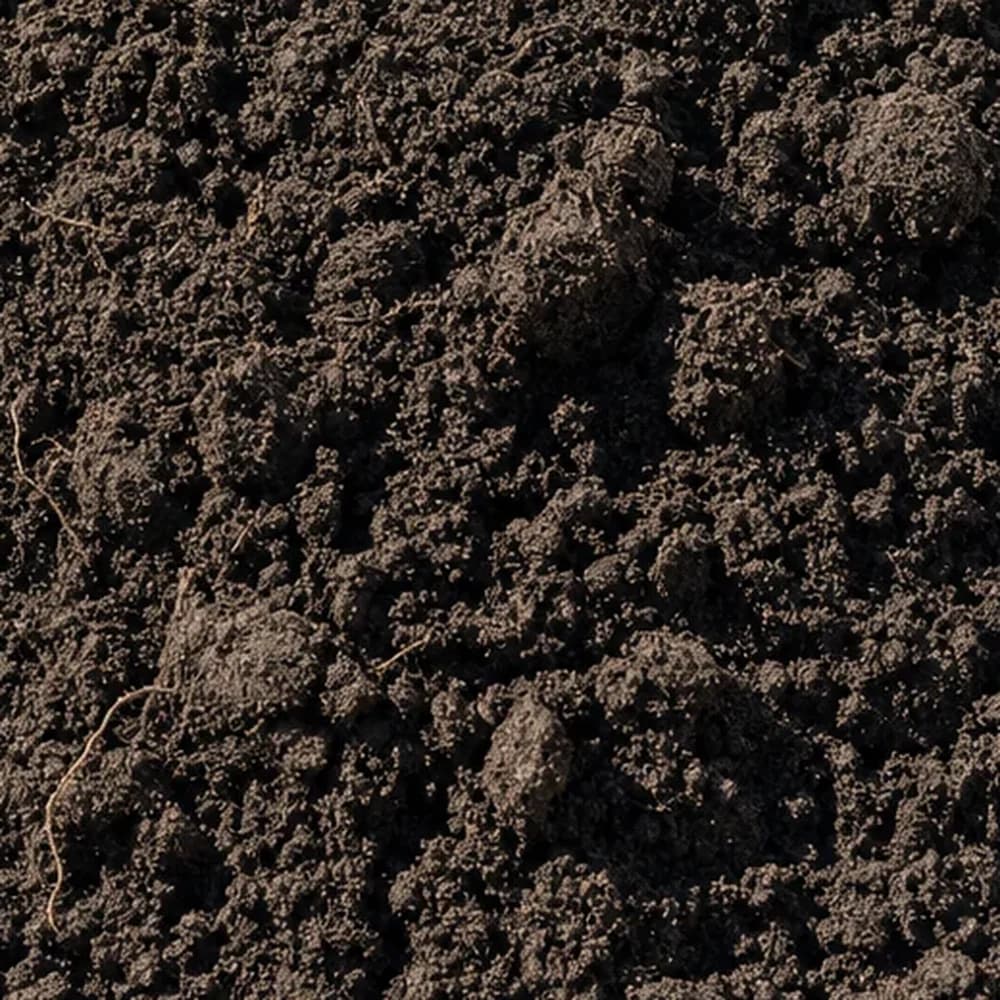
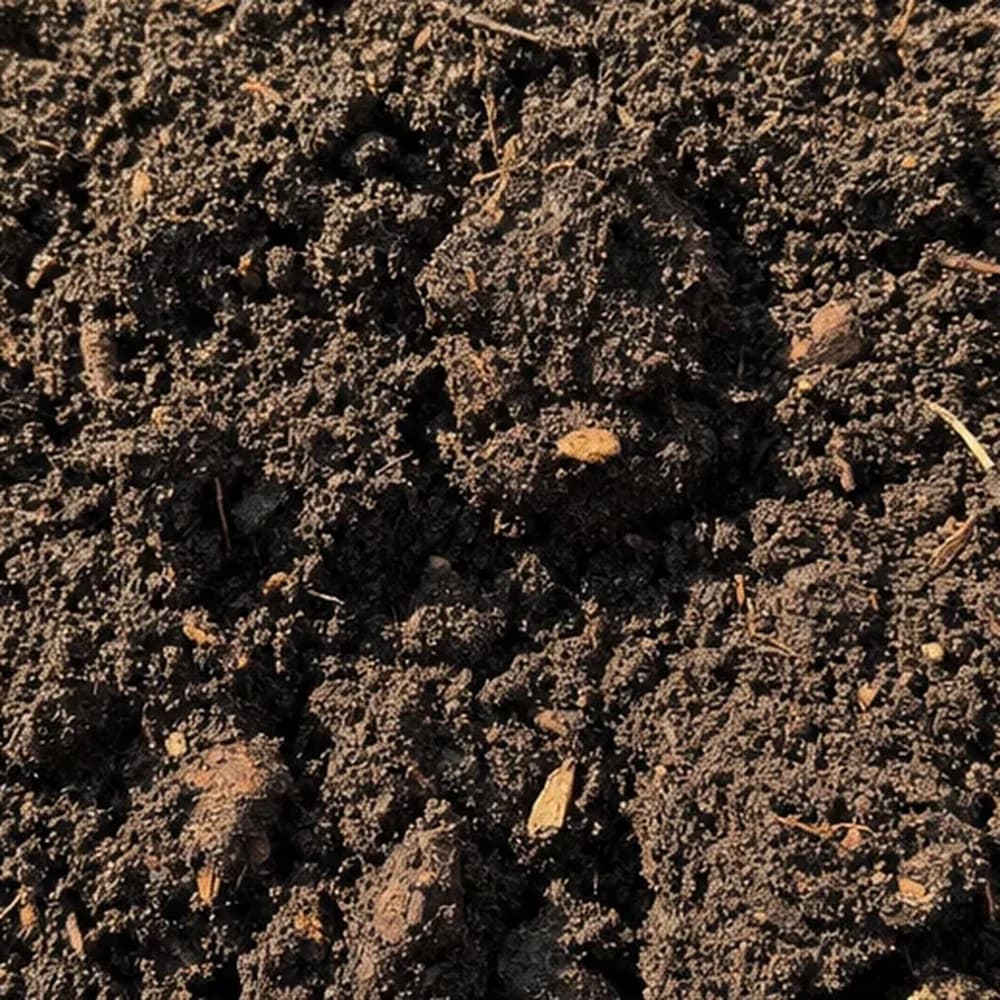
Tipped out on a Central Massachusetts driveway it looks like nothing you would want in a garden, and that is the point. The pile is dull, mineral colored, clodded rather than crumbly, and it has no smell. Fill dirt is screened to take out large rocks, roots and debris, and it carries minimal organic matter. What you can see and feel in the pile is what makes it useful: there is almost nothing in it that can rot, shrink or settle away later.
Dull clods, no smell, and a shovel that comes up heavy
Pick up a handful and it holds together rather than falling apart. Screened loam breaks in the fingers and smells of soil. This does not.
The weight is the other tell. This site publishes fill dirt at roughly 2,400 lb per cubic yard dry and up to 3,000 lb wet, against about 2,200 lb for screened topsoil. A wet load out of a spring stockpile moves noticeably heavier than a dry one, and both the wheelbarrow and the arithmetic feel it.
Color varies load to load because the material is mineral subsoil rather than a blend. Expect tan, gray or rust depending on where it came from. None of that affects how it performs, and none of it matters once something is built or grown over it.
Where a load of fill dirt does its work on a Massachusetts lot
Four jobs cover most of it.
Raising a grade is the first. Ground that has settled against a foundation, or a lawn that falls back towards the house, gets rebuilt with fill and then given a proper fall away from the building.
Filling a void is the second: an old aboveground pool dish, a removed shed footprint, a stump hole, an excavation left over from other work. Mineral fill holds the shape once compacted, where organic soil in the same hole keeps sinking.
Backfilling against structures is the third, with a condition attached that the next section deals with.
Building up a wet, flat corner so water leaves it is the fourth. Low ground on dense till stays soggy because there is nowhere for the water to run, and changing the elevation is the only thing that changes the answer.
The pond edge and the splash pad: two jobs it should not finish
Two cases to handle carefully rather than force.
A downspout splash area is half a job for this material. Fill builds the fall so water runs away from the wall instead of pooling at it. What takes the impact of the water coming off the roof has to be stone, because bare soil under a downspout scours into a gully by the second season. Set River Rock or Large River Rock into the finished apron once the grade is right.
A pond or shoreline edge is not this material at all. Loose mineral fill at a water's edge erodes, and a bank taking wave action or flow wants armor, which is RipRap. Work at the edge of water is also the kind of work a town has an interest in, so find out what yours requires before any material is ordered.
Retaining wall backfill is the third case and it splits in two. The zone directly behind the wall is a drainage zone and takes washed stone, not soil. Fill dirt goes behind and above that zone as the mass that rebuilds the grade, placed in lifts and kept back from the wall face while it is being compacted.
Six-inch lifts, 48 inches of frost, and why depth is planned not guessed
Fill placed in one deep dump does not compact, whatever you run over it. The weight of a machine reaches only so far down, and the rest of the depth stays loose and settles over the following two winters.
Six inches at a time is the working rule, each lift compacted before the next goes on. It takes longer and it is the difference between a grade that holds and one that develops a dish.
Frost depth here is 48 inches by code, and freeze-thaw works on anything placed loose. Ground that has not been consolidated heaves unevenly through late winter, which is how a filled area ends up lower in the middle than at the edges.
Moisture matters too. Fill that is sopping will not compact and fill that is bone dry will not knit. Slightly damp is the condition to work in, which in practice means late spring through fall rather than during the thaw.
A 12 by 6 downspout apron and a 30-foot wall backfill, dry and wet
Two hypothetical examples.
Building a 12 foot by 6 foot apron out from a downspout, raising it an average of 5 inches to create fall away from the wall:
- Area: 12 x 6 = 72 square feet
- Depth: 5 / 12 = 0.417 ft
- Volume: 72 x 0.417 = 30 cubic feet
- Cubic yards: 30 / 27 = 1.11
At roughly 2,400 lb per cubic yard dry, that is about 1.33 tons. Out of a wet spring pile at up to 3,000 lb, the same volume is about 1.67 tons.
Backfilling behind a 30 foot retaining wall, 3 feet high, with a 2 foot deep zone of fill behind the drainage stone:
- Volume: 30 x 3 x 2 = 180 cubic feet
- Cubic yards: 180 / 27 = 6.67, about 8 tons dry
Order above the raw figure on both. Compaction removes volume, and the ten percent the dirt calculator adds by default is a reasonable starting allowance on a small job. Run the numbers through the dirt calculator before a quantity is set.
Screened loam, garden soil or stone: what goes on top
Fill dirt makes the shape. Something else always finishes it.
For lawn, cap the compacted fill with Top Soil, which Massachusetts landscapers usually buy as screened loam, at a depth roots can actually live in. For planting beds, Garden Soil is the blended material. For a drive, path or pad, the finish is a compacted stone base and a surface course, starting with Processed Gravel.
Set a quantity and a delivery date on this page once the depth and the area are settled. Delivery is arranged at checkout by ZIP code, and dirt needs a dump spot with clear access, which on a narrow street usually means the driveway and a tarp.
Quickly Calculate How Much You Need
Material: Fill Dirt
How to Measure
Measure the length and width of your project area in feet
Decide on depth in inches (2" for landscaping, 4" for driveways)
Enter the values above and we'll calculate the tonnage you need
Need help figuring out the right amount? We can help!
Call or text us at (508) 625-9266 and we'll help you calculate the right quantity for your project.
Not sure how much you need? The Dirt Calculator has depth guides, coverage charts and worked examples for this material.
Frequently Asked Questions About Fill Dirt
Customer Reviews
Had them deliver fill dirt and it showed up exactly when I expected.
Stephanie L. · Springfield, MA · Verified Buyer
Had fill dirt delivered by these guys and ordering was no hassle at all. They kept me updated the whole time, and everything showed up just how I needed it.
Pat I. · Brockton, MA · Verified Buyer
Had them deliver fill dirt for a low spot in my yard and it went great. The driver was friendly and really careful about where he placed it. I'd definitely order from them again.
Sandra J. · Cambridge, MA · Verified Buyer
Ordered fill dirt from Massachusetts Rock Supply and everything went great. The driver was friendly and careful about where he placed it, which made the whole thing easy.
Megan S. · Boston, MA · Verified Buyer
Fill Dirt has 4 verified customer reviews with an average rating of 4.8 out of 5.