Garden Soil for Massachusetts Raised Beds
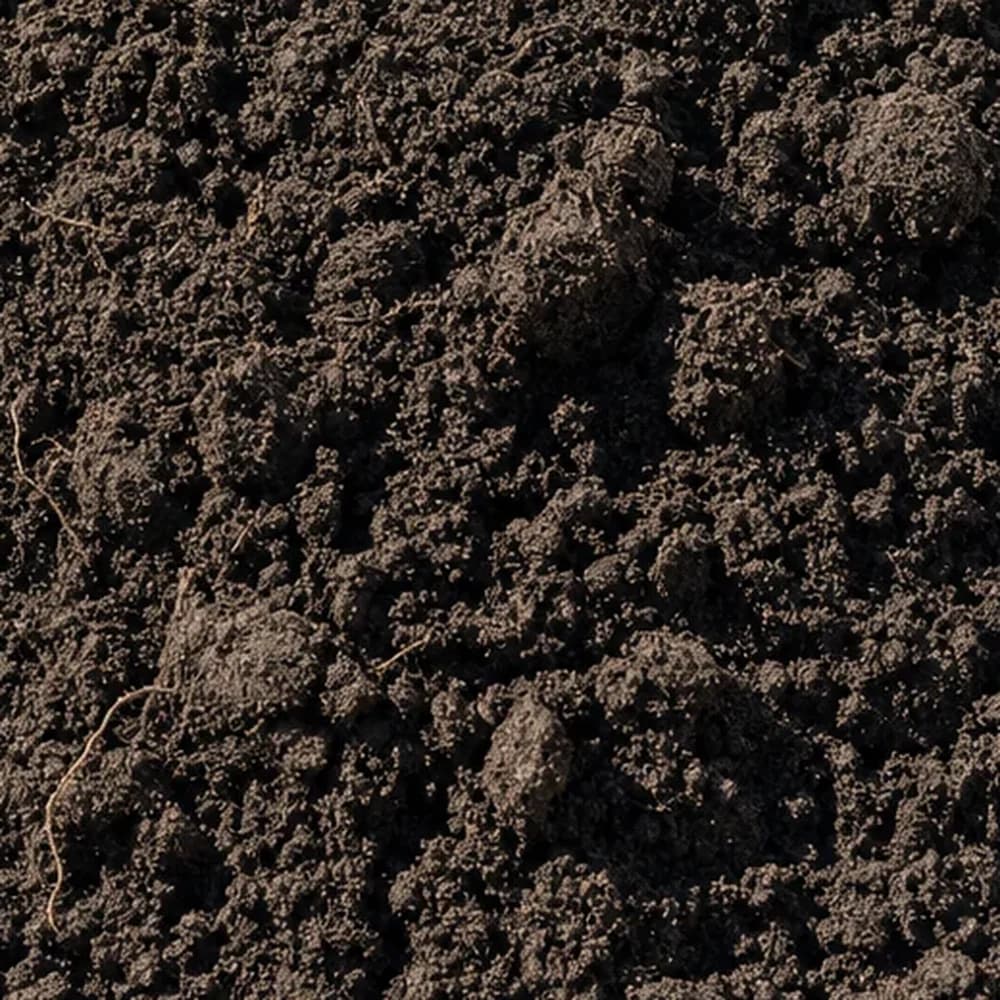
A planting bed set above Massachusetts ledge needs a workable root zone. Garden Soil brings compost-supported material to gardens and raised plantings.
- Size: Nutrient-enriched soil blend
- Grading: Enhanced with organic compost
From $483 for 1 ton, delivery included (larger loads cost significantly less per ton)
Free delivery included
Free delivery anywhere in Massachusetts
Pick a delivery date
Weekday delivery, earliest Oct 30
“Ordered garden soil from these guys and the free delivery made it a no-brainer. Driver was friendly and took his time placing it right where I wanted it.”
Sandra J. · Verified Buyer
Get a Free Quote
Fill out the form and our sales team will get back to you within the hour.
Size and Grading
- Size
- Nutrient-enriched soil blend
- Grading
- Enhanced with organic compost
The window decides this order. Beds get filled once the ground has drained enough to walk on without leaving prints, which on the dense till under Central Massachusetts and the hills can be weeks later than it is on the sandy outwash down toward the Cape. Then it closes again in autumn, with the hilltowns shutting first and the coast last. Garden soil is one of the few loads where arriving two weeks early or late genuinely changes the result, because seedlings are waiting on the other end of it.
Garden soil, screened loam and fill dirt answer three different questions
The three soil products on this site get confused constantly, and the confusion costs a season.
| Material | What it is for | Where it goes wrong |
|---|---|---|
| Garden Soil | Filling beds and planters you are planting into now | Too rich and too light to build ground levels with |
| Screened Loam | Lawns, bed prep, blending into existing ground | Thin on organic matter for an intensively cropped bed |
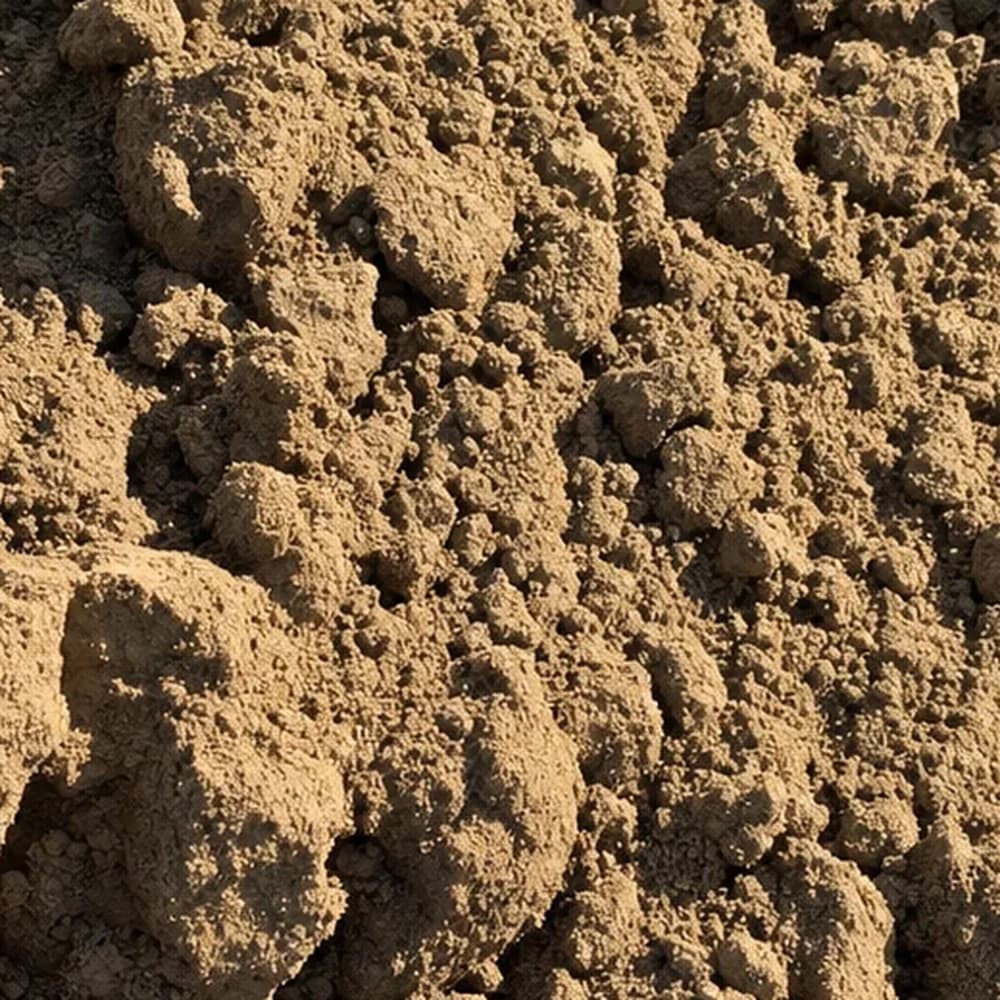
| Fill Dirt | Raising grade, backfilling, filling low spots | Nothing grows well in it |
Garden soil is a blend, soil with organic compost worked through it. The compost is what does the work: it holds moisture through a dry July, opens the structure so water can still leave in a wet one, and feeds the soil life that keeps breaking organic matter down. That combination is right for a box you are planting this month and wrong for anything structural.
Around here, most gardeners say loam rather than topsoil, and screened loam is the usual pick for a new lawn. If the plan is to improve an existing bed rather than fill a new one, loam blended into what is already there is often the better and cheaper route.
Raised beds over stony till, and beds on the sandy ground toward the coast
The case for building up rather than digging down is strong across most of this state. Glacial till is full of cobbles, ledge turns up at awkward depths, and much of the eastern and central ground sits over a dense lower till that water moves through slowly. A bed built above that ground gives roots a depth of workable material without an argument with the subsoil.
The sandy southeast is a different problem with the same answer. Deep outwash sand drains so freely that water and nutrients both leave quickly, so a bed of compost-blended soil holds what the sand will not. The silty old lake-bed ground of the Pioneer Valley sits in between: better natural fertility, but slow to dry in spring and easy to compact if you work it wet.
One rule holds everywhere. Break the interface. A box of rich soil sitting on undisturbed compacted ground behaves like a container, so loosen the top few inches of the native ground before filling.
Lawn prep, a hot tub pad and a dog run all want other loads
Three jobs that regularly get this material by mistake.
New lawn prep is the common one. Turf does not need compost-rich blend to the depth a vegetable bed does, and an overly light layer under grass settles unevenly and stays soft. Screened loam, graded and rolled, is the right material.
A hot tub pad wants the opposite of everything on this page: a compacted, freely draining layer that will not settle under a filled tub. That is #57 Stone over a base, not soil of any kind.
A side-yard dog run built on garden soil becomes mud by the second wet week. A drainage layer with a rounded surface stone over it lasts, and Pea Stone is the usual finish.
How deep a bed has to be before roots stop hitting till
For most vegetables, ten to twelve inches of usable depth over loosened ground is a working figure, and a shallower box of six to eight inches is enough for salad crops, herbs and annual flowers. Deep-rooting crops do better nearer eighteen inches, especially where the native ground below is dense.
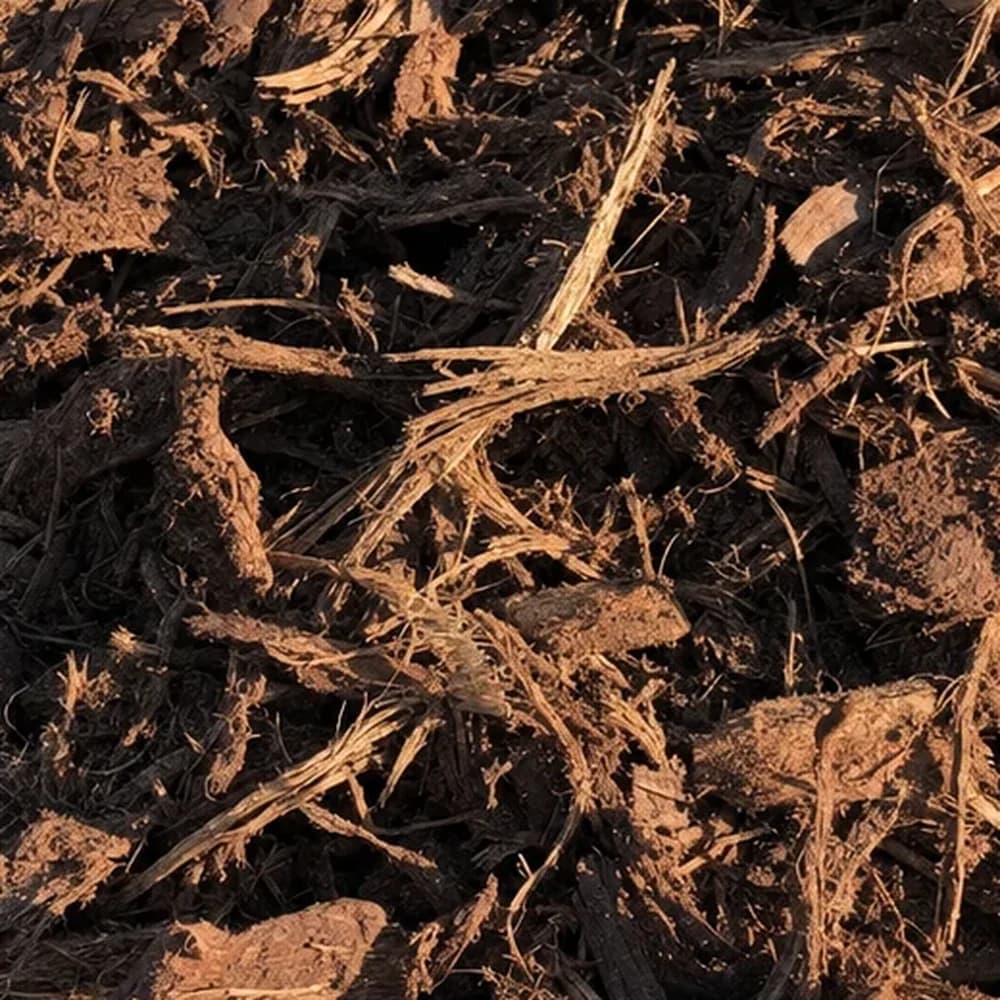
Take the compost content into account when you plan the fill height. A blend with organic matter in it will drop once it is watered in and again over the first season as the compost breaks down, so fill above the finished level you want rather than level with the rim, and expect to top up next spring. Topping up with Shredded Mulch on the surface slows the drying and does some of that replacement over time.
Filling three 4 by 12 beds in the Merrimack Valley
A hypothetical example. Three raised beds, each 4 feet by 12 feet, filled 12 inches deep.
- Area of one bed: 4 x 12 = 48 square feet
- Three beds: 48 x 3 = 144 square feet
- Depth: 12 / 12 = 1 ft
- Volume: 144 x 1 = 144 cubic feet
- Cubic yards: 144 / 27 = 5.33
This site publishes about 2,000 lb per cubic yard for blended garden soil, which is roughly 1.00 ton per cubic yard, so 5.33 yards is close to 5.3 tons. That one-to-one relationship makes this the easiest material on the site to estimate.
Drop the fill to 10 inches and the figure falls to 144 x 0.833 = 120 cubic feet, or 4.44 cubic yards. Going the other way, a single 4 by 8 bed at 10 inches needs 32 x 0.833 = 26.7 cubic feet, just under a cubic yard. Keep the five percent the calculator adds by default as a margin for settling, and check odd bed layouts in the soil calculator, which handles up to five areas at once.
Timing the load against the last frost and the first hard freeze
Order for the week you intend to plant, not the week you decide to garden. Soil delivered onto a lawn and left sitting will kill the grass under it and get harder to move as it dries out or soaks through.
Pick a quantity and a delivery date on this page when the beds are built and the spot is chosen. Delivery is arranged at checkout by ZIP code, and the driver needs a clear route and room to tip.
Quickly Calculate How Much You Need
Material: Garden Soil
How to Measure
Measure the length and width of your project area in feet
Decide on depth in inches (2" for landscaping, 4" for driveways)
Enter the values above and we'll calculate the tonnage you need
Need help figuring out the right amount? We can help!
Call or text us at (508) 625-9266 and we'll help you calculate the right quantity for your project.
Not sure how much you need? The Soil Calculator has depth guides, coverage charts and worked examples for this material.
Frequently Asked Questions About Garden Soil
Customer Reviews
Ordered garden soil from these guys and the free delivery made it a no-brainer. Driver was friendly and took his time placing it right where I wanted it.
Sandra J. · Quincy, MA · Verified Buyer
Went with Massachusetts Rock Supply for garden soil, and it was just what I ordered. Free delivery made it even better, super happy with everything.
Brian P. · Boston, MA · Verified Buyer
Decided on garden soil from them for a few raised beds, and it was clean and consistent all the way through. Pricing felt fair too, good value for what I got.
Mike K. · Springfield, MA · Verified Buyer
Got garden soil from this company and it showed up on time, really happy with it.
Karen T. · Quincy, MA · Verified Buyer
Garden Soil has 4 verified customer reviews with an average rating of 5 out of 5.