Bulk Landscape Materials, Chosen by What Holds Water
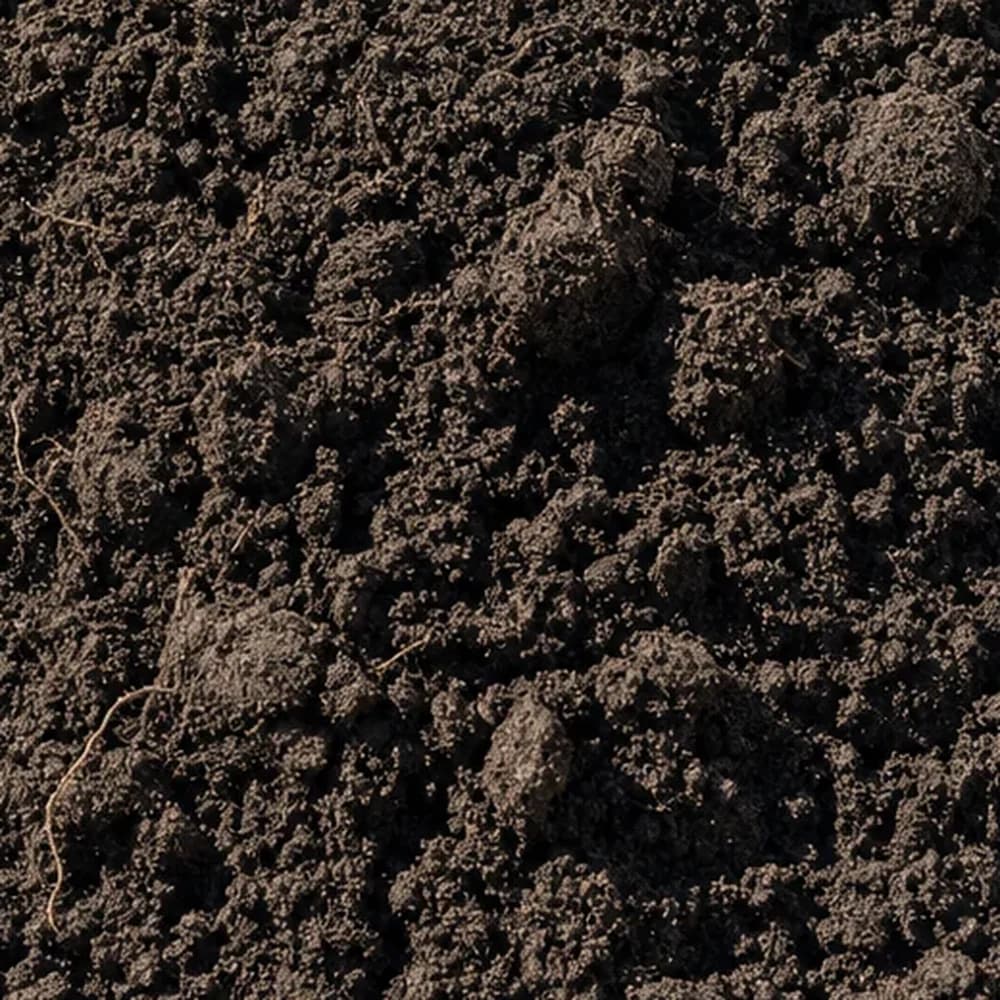
Top Soil
Massachusetts freeze-thaw weather can leave a landscape surface uneven. Top Soil helps finish prepared areas for turf, garden plots, and beds. Size: Screened; free of rocks, debris and large clumps. Grading: Balanced sand, silt and clay.
Free Delivery
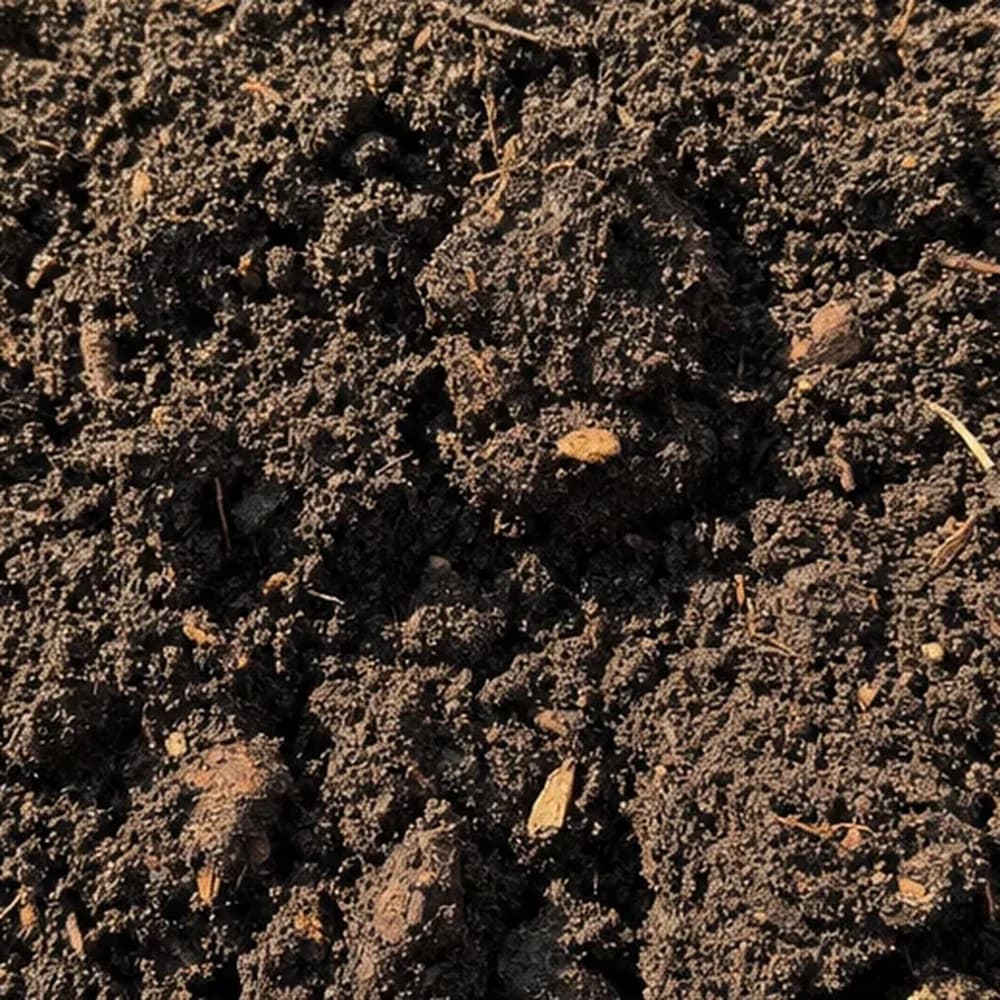
Garden Soil
A planting bed set above Massachusetts ledge needs a workable root zone. Garden Soil brings compost-supported material to gardens and raised plantings. Size: Nutrient-enriched soil blend. Grading: Enhanced with organic compost.
Free Delivery
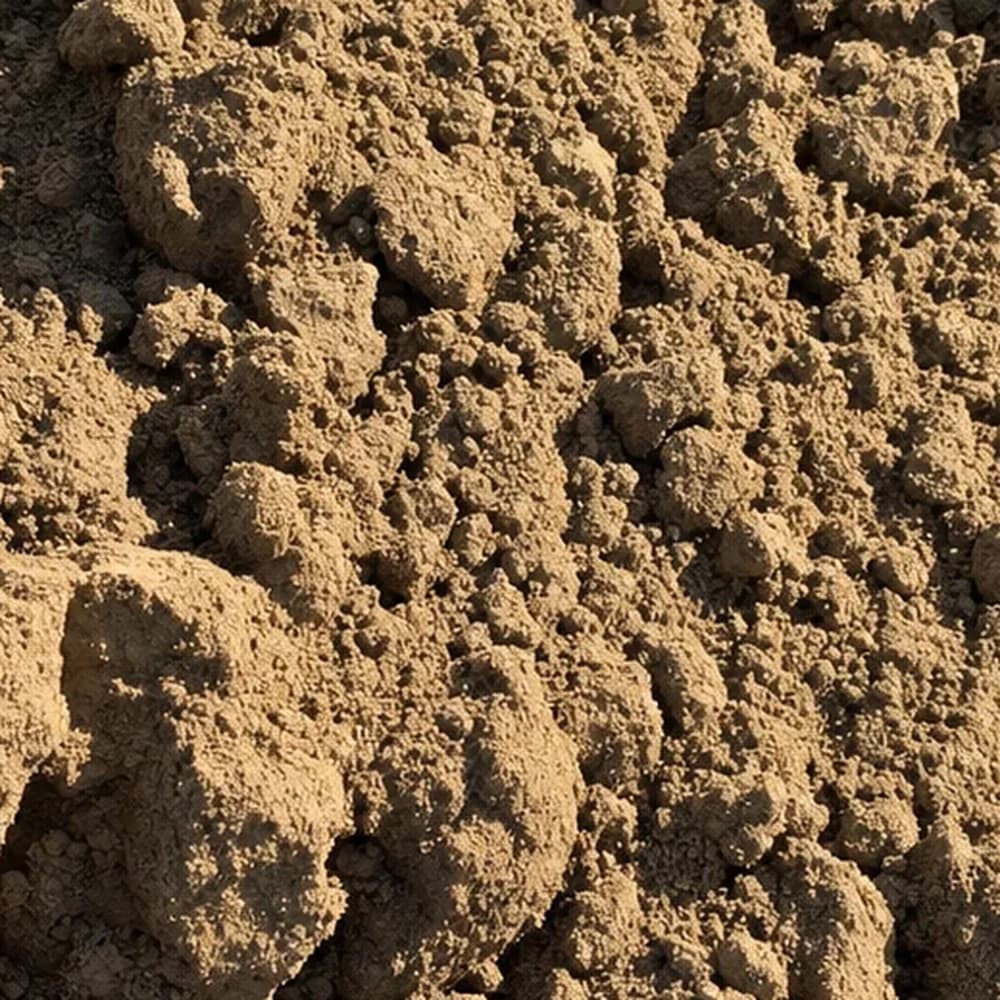
Fill Dirt
After it is spread, Fill Dirt can be compacted into the rough grade Massachusetts sites need for backfill, contours, and preparation. Size: Screened to remove large rocks, roots and debris. Grading: Minimal organic matter.
Free Delivery
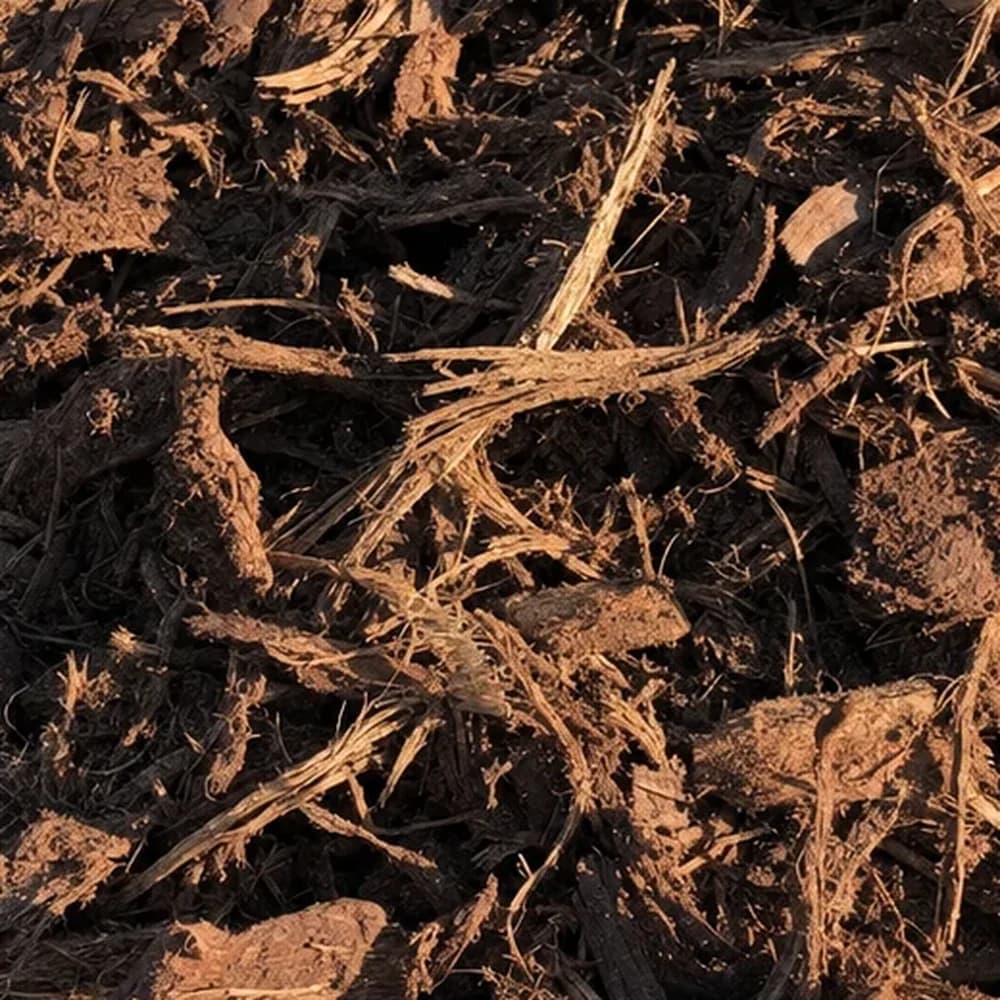
Shredded Mulch
For Massachusetts planting beds finished around ledge and glacial soils, Shredded Mulch provides brown ground cover that helps retain moisture and reduce weeds. Size: Consistent, medium-sized shreds. Type: Shredded hardwood. Color: Natural brown. Typical depth: 2-4 inch layer.
Free Delivery
The pile that ends up in your drive will come off two of the entries here. Almost every job on Massachusetts ground is a layered job: something underneath that packs hard, something over it that drains or gets walked on. These bulk landscape materials are set out in that order, starting at the bottom of the hole.
Blends that keep their fines, for layers that carry weight
These compact. Under a plate or a roller the fine material migrates into the voids between the larger pieces and the layer sets up firm.
- Processed Gravel, one inch minus, the standard Massachusetts base under drives, pads and shed bases. Local yards also call a blend like it dense grade.
- Crusher Run, 3/4 inch minus, tighter and easier to screed level under a patio.
- Stone Dust, 1/4 inch minus, the regional setting bed under pavers, bluestone and packed paths.
- Driveway Gravel at 3/4 inch and Walkway Gravel at 3/8 inch, graded surfacing over a finished base.
None of these belongs in a drain. The same fines that make them pack will silt a trench up.
Clean stone for a French drain, a trench bottom and a scoured bank
Clean stone drains because nothing fine is left in it. That also means it stays loose and will not lock together, so it is the wrong answer under a paver.
- 3/4" Crushed Stone at about 3/4 inch and #57 Stone at 3/16 to 1 inch, for drainage beds, trench bottoms and foundation backfill.
- #67 Stone at 1/4 to 3/4 inch and 3/8" Crushed Stone, for pipe bedding and topping a compacted base.
- #8 Crushed Stone and #89 Crushed Stone, small and washed, for paver joints and flagstone setting.
- Drain Rock at 3/4 to 1-1/2 inch, washed clean, for drywells, foundation drains and downspout runs.
- #4 Crushed Stone at about 3/4 to 1-1/2 inches and Railroad Ballast at roughly one to 2.5 inches, for construction entrances, hard standing and severe drainage.
- RipRap at four to twelve inches and up, for a stream bank after a hard rain or a shore bank taking nor'easter surge.
Rounded stone for the surface people stand on and look at
- Pea Stone, about 3/8 inch. The name almost every Massachusetts buyer uses in place of pea gravel.
- River Rock at one to three inches and Large River Rock at two to four, both smooth and rounded, in tans, grays and browns.
Rounded stone rolls underfoot, so keep it inside firm edging rather than expecting it to hold a line.
Loam, garden soil, clean fill and mulch over stony till
Native ground across most of the state is stony glacial till, which is why growing work here starts with imported material instead of what comes out of the hole.
- Top Soil, screened loam, for lawns, turf and bed prep.
- Garden Soil, blended with compost, for raised beds and planting areas.
- Fill Dirt, sold locally as clean fill, screened and low in organic matter, for bulk grade changes with loam kept for the finish.
- Shredded Mulch, natural brown hardwood, laid two to four inches deep on beds and tree rings.
Bedding sand, and the inch that sits under a paver
Mason Sand is the ultra-fine washed grade for mortar, paver joints and play areas. Washed Sand, which yards around here call concrete sand, is coarser and goes into mixes, pipe bedding and leveling.
A paver patio takes a compacted base and exactly one inch of bedding sand. More than that and the pavers move.
Ton or cubic yard: which unit these bulk landscape materials use
Gravel and stone go by the ton. Mulch and soil go by the cubic yard. The product page states which unit applies, and the material calculators return cubic yards, tons and cubic feet together so nothing has to be converted by hand. How a load is delivered covers the route in and the drop spot.
Common questions
Why is some of this ordered by the ton and the rest by the cubic yard?
Trade convention, and it follows the material. Gravel and stone are handled by weight, mulch and soil by volume. Each product page carries the unit it sells in, and every calculator gives you both figures, so you can order in whichever one the page asks for.
Where will the driver leave a load this size?
As a single pile at the spot you mark, on the drive or on accessible ground beside it. The route in wants to be clear at roughly twelve feet wide with nothing hanging over it. Pick the ground before the date, especially on a lot where the drive is also the only parking.
Which of these have fines in them and which are washed?
Anything described as minus keeps its fines and is meant to compact: processed gravel, crusher run, stone dust. Anything described as washed or clean has had the fines taken out and is meant to drain: drain rock, the numbered stones, the small chips. Pea stone and river rock are rounded rather than crushed, and belong on the surface rather than in a structural layer.
How much base does a drive need if a loaded truck uses it?
More than a car-only drive, and most of the extra belongs where the loaded vehicle turns or stops. A new drive is generally built around six inches of material, placed and compacted in separate lifts. Run the base layer and the surface layer as two separate calculations rather than one.